
A khanapara teer previous result is easy to find but surprisingly easy to get wrong. Dozens of websites, social media pages, and forwarded messages all claim to show old Khanapara Teer numbers, and they do not always agree. If you have ever noted down a number from a screenshot only to discover later that it belonged to the wrong date, the wrong round, or even the wrong session, you already know why verification matters. This guide shows you how to find any past Khanapara Teer result quickly and, more importantly, how to confirm that the number you found is genuine.
Khanapara Teer is an archery based lottery played near Guwahati in Assam, part of the wider teer tradition of the region (background on the Teer game on Wikipedia). Each playing day has two rounds, the first round (FR) and the second round (SR), and each round declares one two digit number from 00 to 99. The declared numbers are public information, and trustworthy result websites keep them in a date wise archive. The method below works for any date in that archive, whether you need yesterday’s numbers or a result from several weeks ago.

Why a Khanapara Teer Previous Result Needs Verification
You might wonder why an old, settled number needs any verification at all. The answer is that previous results pass through many hands before they reach you. The official declaration happens at the teer ground. From there, the numbers are published on result websites, shared on social media, forwarded through messaging apps, and sometimes copied into personal notes. Every copy step is a chance for error: a digit gets mistyped, a screenshot gets cropped so the date is no longer visible, or an old image gets forwarded with a message claiming it is today’s result.
Verification protects you from all of these. It takes less than a minute, and it replaces guesswork with certainty. The habit is simple: never rely on a single forwarded number. Check it against the archive on a maintained result website, confirm the date, the session, and the round, and only then treat the number as reliable. Readers who build this habit never have to wonder whether the old number in their notebook is correct.
There is another reason verification matters. From time to time, a declared result is corrected. Corrections are rare, but when the counting at the ground is reviewed and an error is found, the declared number can be amended. Maintained archives apply these corrections, while old screenshots and copied notes do not. Checking the live archive therefore gives you the corrected record, not the first published version.
Where Previous Results Come From
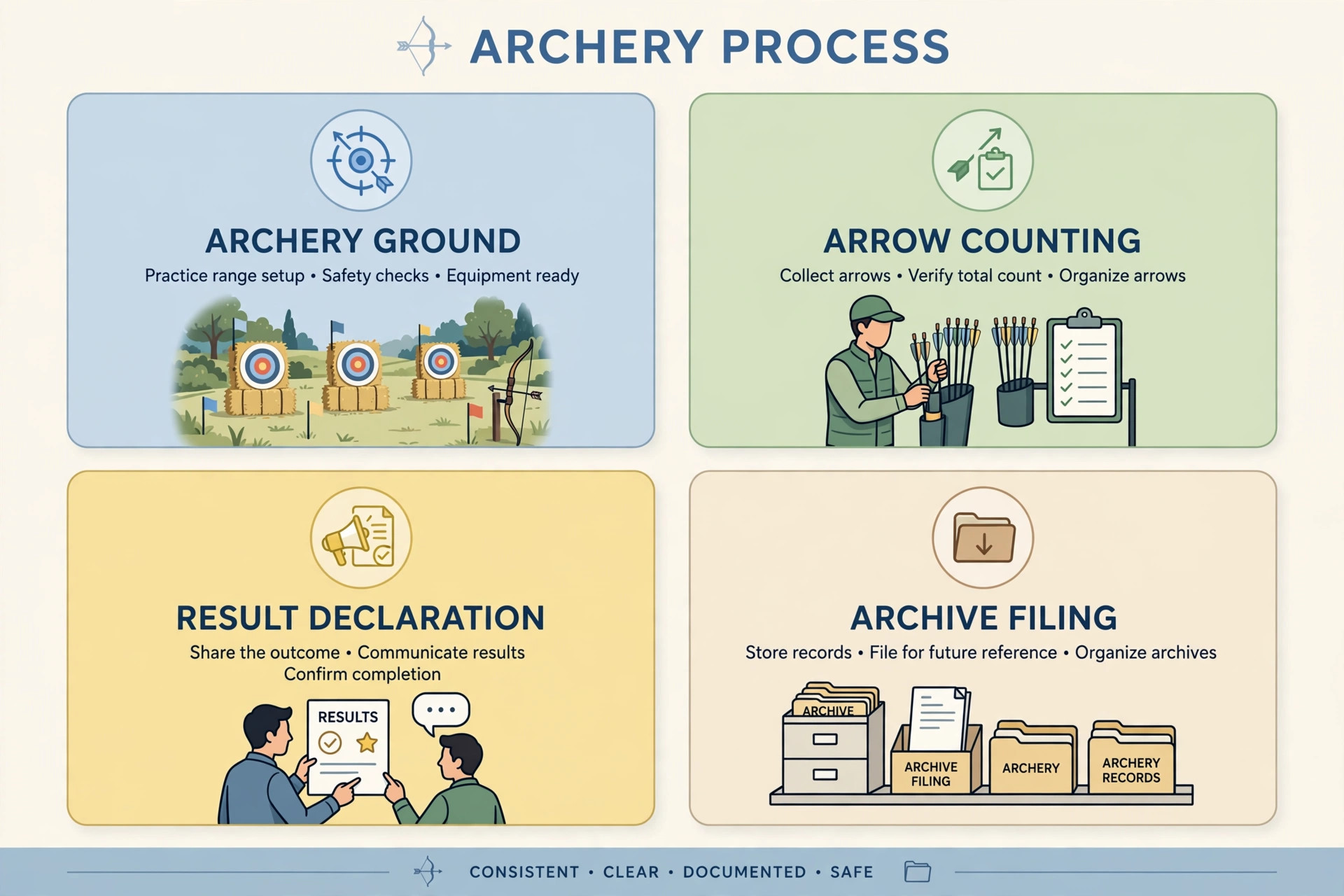
Understanding the journey of a result helps you judge which sources to trust. The pipeline has four stages. First, the archery shooting takes place at the Khanapara teer ground, with the first round in the afternoon session. Officials count the arrows that hit the target, and the last two digits of that count become the FR number. The same process repeats for the second round, producing the SR number.
Second, the numbers are declared publicly at the ground and communicated to result publishers. Third, result websites publish the numbers, usually within minutes of the declaration, and file them into their date wise archives. Fourth, readers share and copy the numbers across social platforms. Errors almost never happen in the first three stages, because publishers check the declaration carefully. Almost all errors creep in at the fourth stage, through mistyping, mislabeling, or deliberate editing of screenshots.
This is why the archive on a dedicated result website is more trustworthy than a forwarded message. The View Teer Result homepage publishes numbers directly from the declaration and keeps them in a permanent archive, while a message forwarded five times has no chain of custody at all. When you need a khanapara teer previous result you can rely on, start at the archive, not at your chat inbox.
Step by Step: Finding Any Past Khanapara Result
Follow these steps to locate any previous result without confusion.
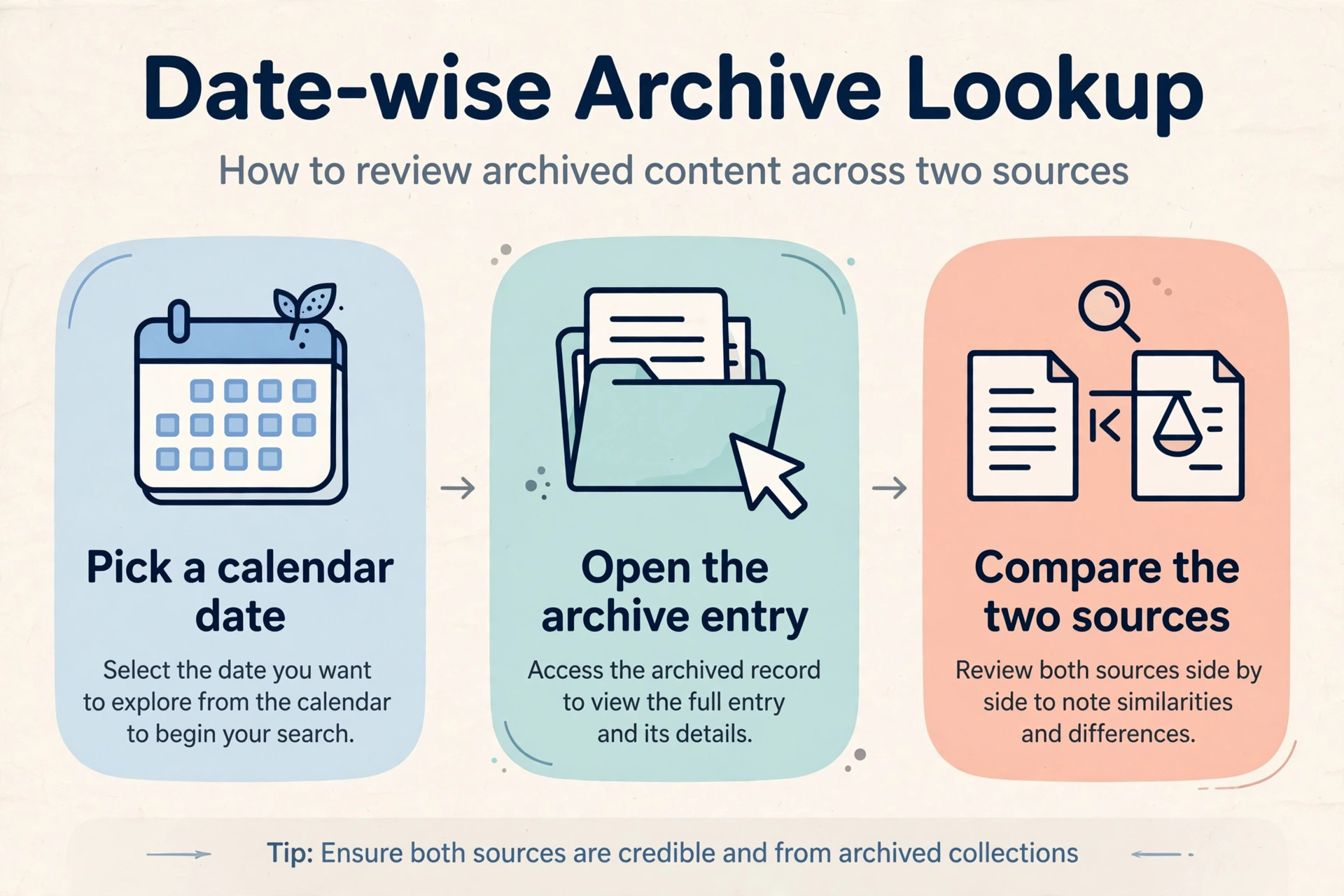
Step 1 – Decide which session you need. Khanapara Teer runs a morning session and a main day session, each with its own FR and SR rounds. The two sessions are separate games, and their archives are separate. If you are unsure which session your number belongs to, check the time context: morning session numbers are declared around late morning, and day session numbers are declared in the afternoon.
Step 2 – Open the correct archive. For the main day session, the Khanapara Teer result page carries the current numbers and the archive of previous days. For the morning session, use the Khanapara Morning Teer result page instead. Opening the wrong session archive is the single most common lookup mistake.
Step 3 – Navigate to the date. Archives are ordered newest first. Yesterday’s result sits near the top. For older dates, use pagination or the month selector to jump back. Each row shows one date with its FR and SR numbers side by side.
Step 4 – Read the full row. Confirm the date, then read the FR number from the FR column and the SR number from the SR column. Note both, even if you only need one, because having the complete row makes later verification easier.
Step 5 – Check for remarks. If the row shows a dash instead of a number, no result was declared for that round. Dashes appear on Sundays and holidays when no game is held. A dash is not the number 00, which is a genuine declared result. Reading the remarks column, when one exists, removes any doubt.
How to Verify a Khanapara Teer Previous Result
Finding the number is only half the job. Here is a short verification routine that catches nearly every kind of error.
First, confirm the date format. Archives may order dates as day month year or month day year. A date written as 06 07 could be June 7 or July 6 depending on the convention. Verify the format once using a date you already know, then read every other date the same way.
Second, confirm the session and round. Ask yourself three questions: is this the morning or the day session, is this the FR or the SR number, and does the archive label match my answer? If any answer is uncertain, stop and recheck before writing the number down.
Third, cross check with a second source. Open the teer result list or another maintained archive and compare the same date, session, and round. Two independent archives showing the same number is strong confirmation. Published results are public facts, so genuine archives agree with each other.
Fourth, sanity check the calendar. No game is held on Sundays, so any number claimed for a Sunday cannot be genuine. Public holidays can also suspend play. If your date falls on a Sunday and someone quotes a number for it, you can reject the claim immediately without further checking.
Spotting Fake and Edited Result Screenshots
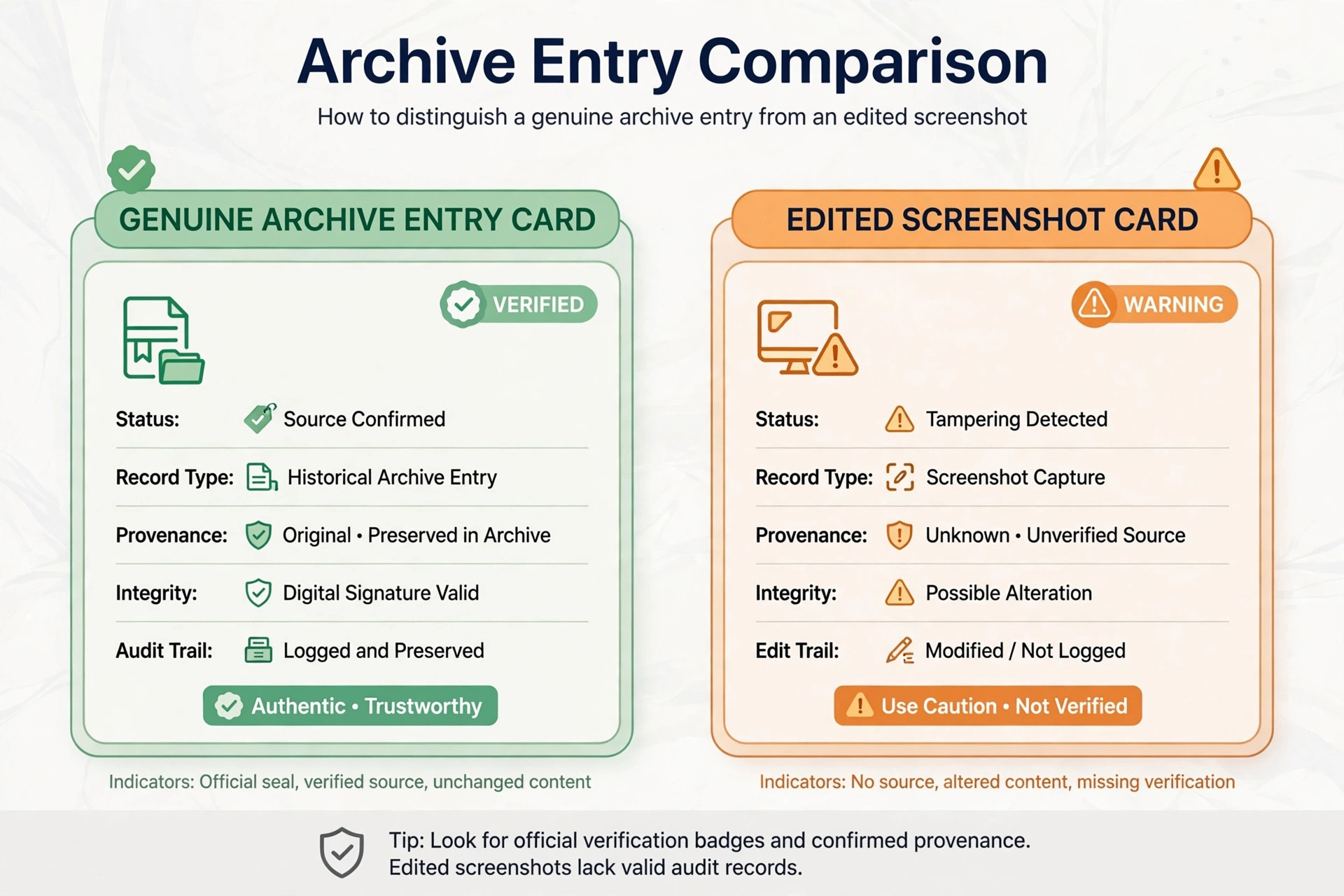
Forwarded screenshots deserve special skepticism. They are the most common source of wrong previous numbers, and some are deliberately edited. Here are the warning signs.
A genuine result screenshot usually shows the source website’s name, the full date, and both round numbers together. A suspicious screenshot shows only the numbers with no date, no source, and no context. Without a date, a screenshot of last month’s result can be presented as yesterday’s, and you would have no way to tell.
Look for visual inconsistencies. Edited screenshots often have mismatched fonts, uneven spacing, or numbers that look pasted over the original image. If the image has been forwarded many times, compression artifacts make small edits harder to spot, which is exactly why you should verify against the archive instead of trusting the pixels.
Be wary of screenshots that arrive with urgent claims, such as messages insisting a number is confirmed or guaranteed. Previous results need no urgency. They are settled history. Urgency is a persuasion tactic, not a sign of authenticity. The calm, boring archive page is always more reliable than the exciting forwarded image.
Finally, remember that even an honest screenshot can be outdated. Someone may have screenshotted the archive weeks ago, and since then a correction may have been applied. The live archive always reflects the latest corrected record, while a screenshot freezes the record at the moment it was taken. When accuracy matters, the live archive wins.
What to Do When Two Sources Disagree
Genuine disagreements between maintained archives are rare, but they happen, usually for one of three reasons. The most common is a session or round mismatch: one source shows the morning FR while the other shows the day FR, and the reader compared the wrong pair. Recheck the labels before assuming a real conflict.
The second reason is a timing difference around corrections. If a declared number was corrected, one archive may have applied the correction while the other still shows the original. In this case, wait a few hours and check again. Corrections propagate quickly, and the archives will converge.
The third reason is a simple publishing error on one side. Every publisher is human, and typos happen. When two sources disagree and you cannot determine which is right, look for a third source. Two out of three agreement is a practical tiebreaker for public facts like declared results. Do not guess, and do not average numbers. A declared result is a single fact, and the correct response to uncertainty is more checking, not improvisation.
Keeping Your Own Verified Record Book
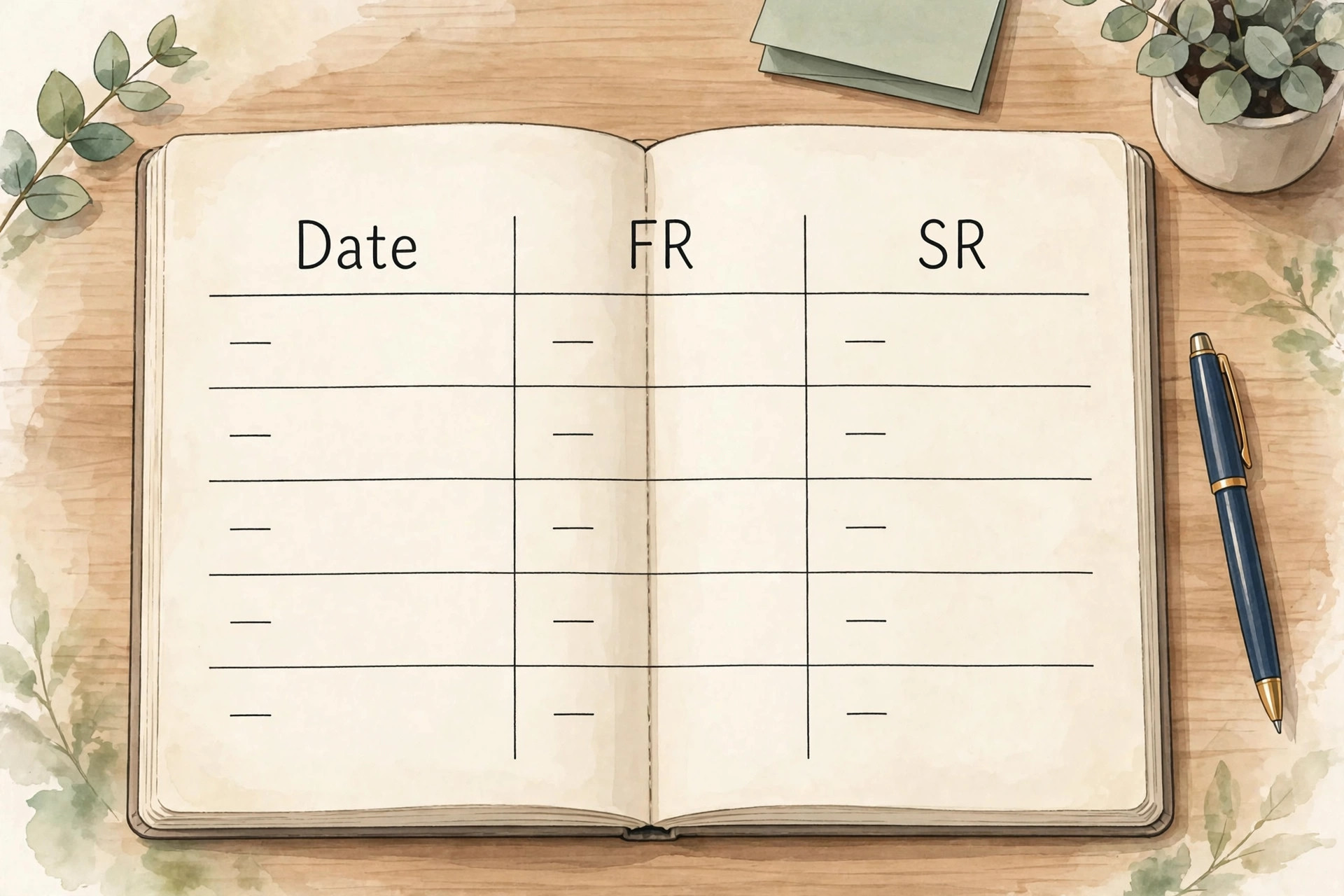
If you look up previous results regularly, keeping a personal record book saves time and prevents repeat lookups. A simple notebook or spreadsheet works well. Create columns for date, day of the week, session (morning or day), FR, and SR. Fill each row only after verifying the numbers against the archive using the routine above.
Preserve leading zeros. A result of 07 must be stored as 07, not 7, because 07 and 70 are entirely different outcomes. In a spreadsheet, format the FR and SR columns as text so the software does not strip the leading zero automatically. This one formatting choice prevents a surprising amount of confusion later.
Date your verification. Add a small note of when you checked each row, especially for recent dates where corrections are still possible. If a correction is later announced, you will know exactly which rows to revisit. Review your book against the archive once a month to catch any drift. A record book is only as good as its maintenance, and a monthly review keeps it trustworthy.
Keep the book factual. Record only declared numbers with their dates, sessions, and rounds. Do not add predictions, tips, or commentary about future rounds. Mixing speculation into a factual record corrupts its purpose and can mislead anyone else who reads it. A clean record of the past is valuable precisely because it stays in the past.
How Corrections to Declared Results Work
Declared results are almost always final on the first announcement, but corrections do happen, and knowing how they work makes you a more careful reader of previous results. A correction occurs when the original counting at the teer ground is reviewed and an error is discovered. The review might find that an arrow was miscounted, or that the wrong total was communicated. When that happens, the organizing officials issue a corrected number, and maintained archives update their records to reflect the correction.
Corrections are rare, which is exactly why they catch people off guard. A reader who noted down the original number and never rechecked will carry the wrong number indefinitely, while the archive quietly shows the corrected one. This is the strongest practical argument for the verification habit described above. If you recorded a result on the day it was declared, recheck it in the archive a day or two later, especially if the number matters to you. The recheck takes seconds, and it is the only way to catch a correction.
How can you tell whether a correction happened? Compare your note against the current archive entry for that date. If they differ, the archive is almost certainly right, because archives apply official corrections while personal notes do not update themselves. Some archives add a small remark when a correction is applied, which makes the change transparent. If no remark exists and the numbers differ, the likeliest explanation is still a correction, followed by the possibility that your original note had a typo. Either way, update your note to match the archive.
There is one more scenario worth knowing. Occasionally a result is declared, then the round itself is reviewed for procedural reasons, and the declaration is confirmed unchanged. In that case nothing in the archive changes, and your original note remains correct. The point is not to assume corrections are frequent. They are not. The point is to have a simple recheck habit that catches the rare cases, so your records stay aligned with the official history without any ongoing effort.
Frequently Asked Questions
How can I check whether an old Khanapara Teer number is genuine?
Note the exact date, session, and round of the number, then look it up in the date wise archive on a maintained result website. If the archive shows the same number for the same date, session, and round, the number is genuine. For extra confidence, cross check against a second independent archive. If the two agree, you can rely on the number.
Why do two websites sometimes show different numbers for the same date?
The usual cause is a session or round mismatch, where the reader compared a morning number with a day number, or an FR number with an SR number. Less often, one site has applied a declared correction while the other has not yet updated. Recheck the session and round labels first, then wait a few hours and compare again, or consult a third source as a tiebreaker.
Can I trust a Khanapara Teer result screenshot from a messaging app?
Treat it as unverified until you check it against the archive. Screenshots lose their date context easily, can be edited, and may show outdated numbers if a correction was later issued. Use the screenshot as a starting hint, then confirm the date, session, round, and number in the live archive before relying on it.
What does a dash mean in the previous result archive?
A dash or blank cell means no result was declared for that round on that date. This is normal on Sundays and public holidays when no game is held. It is not the same as the number 00, which is a genuine declared result. Always read dashes as missing declarations.
How do I know whether a number belongs to the morning or day session?
Check where you found it. Morning session numbers appear in the morning archive and are declared around late morning, while day session numbers appear in the day archive and are declared in the afternoon. If a number comes without session context, such as in a forwarded message, verify it against both archives. The one that matches tells you the session.
Should I keep my own record of previous results?
Yes, if you look them up often. A personal record book with date, session, FR, and SR columns saves repeat lookups and gives you a verified reference. Keep it factual, preserve leading zeros, and review it against the archive monthly. Never mix predictions into a factual record.
Conclusion
Finding a khanapara teer previous result takes seconds, but verifying it is what makes it useful. Use the archive as your primary source, confirm the date, session, and round every time, cross check when certainty matters, and treat forwarded screenshots as hints rather than facts. Keep your own records tidy and factual, and you will never be misled by a wrong old number again. The archive rewards careful readers, and careful readers are the ones who get the numbers right.
Teer is a legal lottery game in Meghalaya (see the Meghalaya government portal), open to adults aged 18 and above only. Please play responsibly.