Every afternoon, thousands of people open a result page to view the shillong teer result today. The process looks simple, but small mistakes are common: reading yesterday’s row, mixing up the two rounds, or trusting a page that has not updated yet. This guide walks you through the correct way to check the result online, explains exactly what the FR and SR format means, and shows you how to verify what you see. Whether this is your first time or your hundredth, you will finish this article knowing how to read any Shillong Teer result listing with confidence.

The Shillong Teer Result Today at a Glance
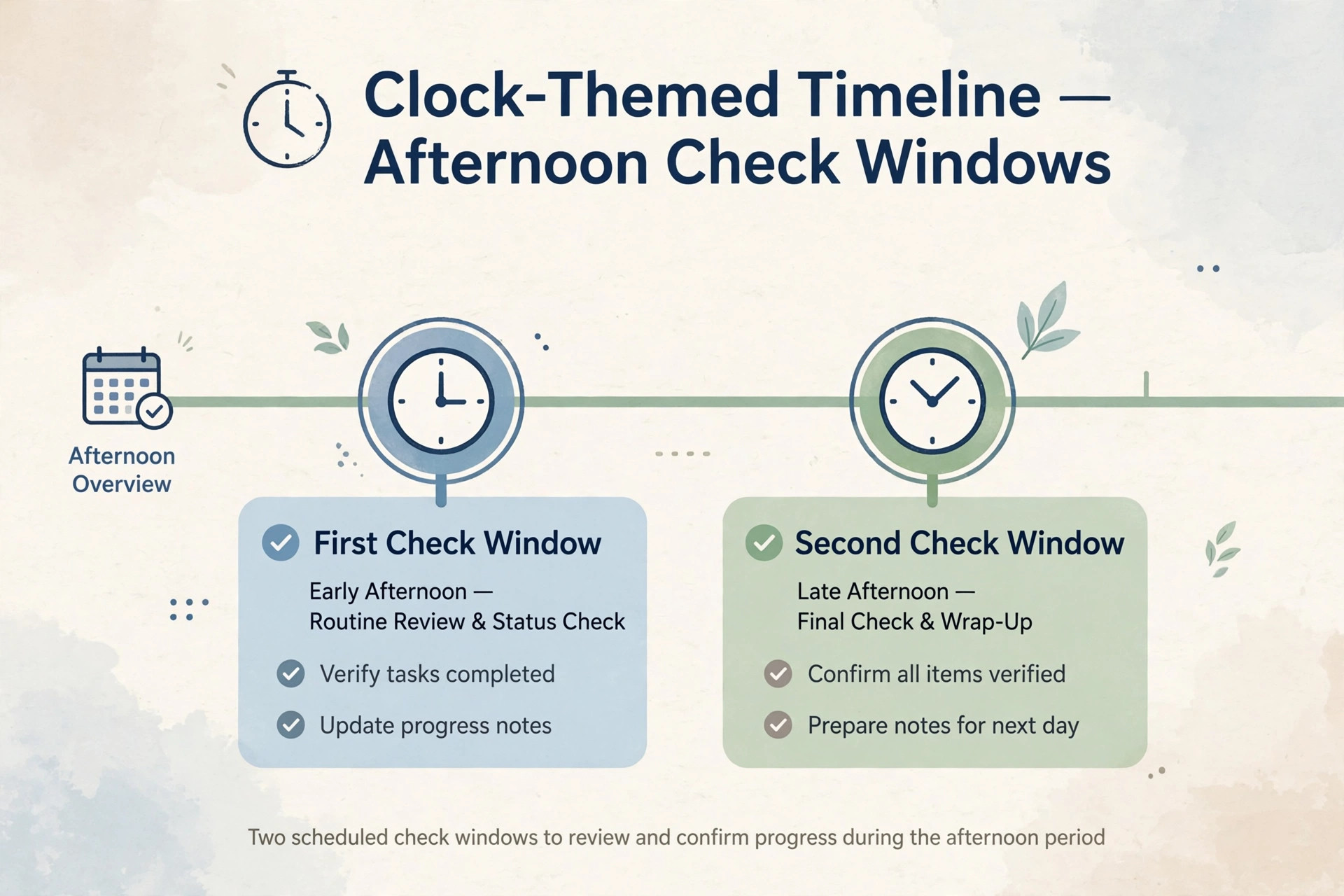
Before the step-by-step method, here is the big picture. Shillong Teer is a legal archery-based lottery held in Shillong, Meghalaya. Each working day features two separate archery rounds. The first round (FR) is declared in the mid afternoon, usually around 3:45 PM, and the second round (SR) follows in the late afternoon, usually around 4:45 PM (Asia/Dhaka time). Each round produces one two-digit winning number, so a complete daily result always has two values: an FR value and an SR value.
Result websites publish these two values next to the date. A well-maintained page updates in the afternoon shortly after each round is declared, and it keeps an archive of previous days so you can look back. The Shillong Teer result page on View Teer Result follows this format: today’s date at the top with the FR and SR values, then earlier dates below in order.
How to Check the Shillong Teer Result Today Step by Step
Follow these five steps in order and you will get the correct result every time.
Step 1 – Open a dedicated result page
Start with a website whose only job is publishing teer results. General search results and social media posts are slower and less reliable. A dedicated page is updated on a fixed routine and shows the date clearly. Bookmark your chosen page so you return to the same source each day. Consistency matters because you learn exactly how that page lays out its dates and columns.
Step 2 – Verify that the page shows today
Look at the date label on the topmost result entry. It should match today’s date. Result pages display a stack of entries, with the newest on top, so it is easy to accidentally read yesterday’s row if the page has not refreshed. If the top entry carries an older date, the page has not updated yet or your browser is showing a cached copy. Reload the page and check again.
Step 3 – Read the FR value for the first round
Find the column or field labeled FR. This is the result of the first archery round of the day. If the round has been declared, you will see a two-digit value. If the round has not been declared yet, you will see a placeholder such as “-“. A placeholder is not a result. It simply means the round is still pending.
Step 4 – Read the SR value for the second round
Find the column or field labeled SR. This is the result of the second archery round, an entirely separate event held after the first round. Read it independently. The SR value has no mathematical relationship to the FR value, and one never determines the other. If you check between the two declaration times, it is normal to see a declared FR value alongside a still-pending SR placeholder.
Step 5 – Note the time you checked
Make a habit of glancing at the clock when you read the result. If you checked before the usual declaration window and saw placeholders, you know to come back later. If you checked well after the window and still see placeholders, the round may be running late that day. Noting the time turns confusion into a simple plan: check again in thirty minutes.

Understanding the FR and SR Format in Detail
The two-column layout is the heart of every Shillong Teer result listing. Let us break down exactly what each part means so there is no guesswork.
Why there are always two values
Shillong Teer is not one lottery draw per day. It is two. The archers shoot in the first round, officials count the arrows that hit the target, and a winning number is derived from that count. Then, after a break, the whole process repeats for the second round with a fresh round of shooting and a fresh count. Because the two rounds are separate physical events, they produce two separate results. Every honest result listing therefore shows two values per day.
What the two digits represent
Each round’s result is a two-digit number from 00 to 99. It is derived from the total count of arrows that struck the target in that round: the last two digits of the count become the declared result. You do not need to do this math yourself. The officials and the result pages handle it. All you need to know is that the value you see under FR is the official two-digit outcome of the first round, and the value under SR is the official two-digit outcome of the second round.
For illustration only, and not a real result: a result card might display its two columns as “FR: -” and “SR: -” before declaration, and then show two-digit values once each round is declared. When both columns show declared values for today’s date, the day’s result is complete.
Placeholders, pending marks and dashes
Until a round is declared, its slot shows a placeholder. The most common placeholder is a simple dash “-“. Some pages use the word “pending” or leave the slot blank. All of these mean the same thing: the round has not been declared yet. Beginners sometimes mistake a placeholder for a result, especially the dash, which can look like a minus sign. It is not. If in doubt, compare with the timing: a placeholder before the usual declaration time is expected, and a placeholder long after it means the round is delayed.
Date labels and day names
Reliable pages label each entry with the full date, and many also show the day of the week. This helps you confirm at a glance that you are reading today’s entry. Pay special attention on Mondays, because the top entry may still show Saturday’s result if Sunday was a rest day. The date label is your anchor. Trust it more than your assumption about what “should” be on the page.
Reading Result Archives and Date Labels
The archive is the list of previous days’ results kept below today’s entry. Learning to read it properly prevents the most embarrassing mistake in teer following: celebrating or worrying over an old result.
Archives are organized newest first. Today’s entry sits at the top, yesterday’s below it, and so on. Each entry carries its own date and its own FR and SR values. When you want to look up a past result, scroll until the date label matches the day you have in mind, then read that row’s FR and SR columns. The teer result list on View Teer Result keeps this archive in a single clean list so you can move between dates without hunting through multiple pages.
One useful habit: when you first open a result page each day, read the top three date labels before reading any numbers. This ten-second scan confirms the page is current and trains your eye to anchor on dates first and digits second.

Common Mistakes Beginners Make When Reading Results
Even careful readers slip up. Here are the mistakes seen most often, and how to avoid each one.
Reading yesterday’s row. The page had not updated yet, or the reader scrolled past today’s entry. Fix: always confirm the date label first.
Mixing up FR and SR. The reader remembers one number but forgets which round it belonged to. Fix: say the round name out loud as you read, for example “FR is declared, SR is pending.”
Treating a placeholder as a result. The dash in an undeclared column gets misread. Fix: remember that “-” means “not yet declared,” never a winning value.
Checking too early and assuming a delay. The reader opens the page at 2 PM, sees placeholders, and concludes something is wrong. Fix: learn the declaration windows (around 3:45 PM for FR and around 4:45 PM for SR, Asia/Dhaka) and time your checks accordingly.
Trusting screenshots on social media. A forwarded image may be old, edited, or from a different market such as Juwai or Khanapara. Fix: verify against a live result page with today’s date before believing any screenshot.
Confusing Shillong with other markets. Juwai Teer and Khanapara Teer are separate games with separate results and separate timings. A result labeled for one of those markets is not the Shillong result. Fix: check that the page or section you are reading is specifically the Shillong Teer result.
When to Check – Daily Timing Windows
Timing your checks saves you from staring at placeholders. Here is the practical rhythm most regular followers use.
The sensible first check of the day is in the mid afternoon, around the FR declaration window. The first round result is usually declared around 3:45 PM (Asia/Dhaka time). Checking a few minutes after that gives the page time to update. The second check comes in the late afternoon around the SR window, usually around 4:45 PM Asia/Dhaka, again allowing a few minutes for the update to appear.
Between those windows, there is no need to refresh constantly. If you checked at 4:00 PM and saw a declared FR with a pending SR, everything is proceeding normally. Come back after the SR window. If a round seems late, waiting thirty minutes and checking once is calmer and just as effective as refreshing every minute.
Remember that Sundays are normally rest days with no rounds, and public holidays can also pause the game. On those days the correct behavior is to see no new result, and the archive simply continues from the last working day.
Verifying a Result You Saw Elsewhere
Sometimes you will encounter a claimed result away from your regular page: in a message from a friend, on a social media post, or on an unfamiliar website. Here is how to verify it in under a minute.
First, open your bookmarked result page and confirm the date on its top entry. Second, compare the claimed FR and SR values against the page’s values for that same date. Third, sanity-check the timing: a result claimed at noon for a round declared in the afternoon cannot be genuine. If the values match a current, correctly dated entry on an established page, you can trust it. If anything disagrees, wait for the declaration window to pass and check again. Genuine results converge across reliable sources. Claims that appear on only one obscure page, far ahead of the normal timing, deserve skepticism.
For background on the region and the regulated game, the Meghalaya article on Wikipedia gives useful context on the state where teer is a legal, licensed lottery. And if you want to know more about the people behind this site, the About Us page explains what View Teer Result does.
A Short Note on Responsible Following
Shillong Teer is a legal lottery in Meghalaya, organized by licensed archery clubs under state regulation. Participation is strictly for adults aged 18 and above. If you play, treat it as entertainment with a small fixed budget, never chase losses, and never borrow money to play. Reading results is free and harmless. Playing should stay small, voluntary, and fun. If playing ever stops feeling like a choice, pause and speak to someone you trust.
Frequently Asked Questions
How can I check the Shillong Teer result today online?
Open a dedicated teer result website, confirm the top entry carries today’s date, then read the FR column for the first round result and the SR column for the second round result. The FR result is usually declared around 3:45 PM and the SR result around 4:45 PM (Asia/Dhaka time). If a column shows a placeholder such as “-“, that round has not been declared yet.
What is the difference between FR and SR in the Shillong Teer result?
FR stands for First Round and SR stands for Second Round. They are two separate archery rounds held on the same day, each producing its own independent two-digit winning number. Always read them as two distinct results, because the outcome of one round has no effect on the other.
Why is the SR column still showing a dash while FR is declared?
Because the two rounds happen at different times. The first round is shot and declared earlier in the afternoon, and the second round follows later. Seeing a declared FR value next to a pending SR placeholder between the two declaration windows is completely normal. Check back after the second round’s usual declaration time.
How do I know a result page is showing today’s result and not yesterday’s?
Look at the date label on the topmost entry before reading any numbers. Reliable pages stack entries newest first, so the top entry should carry today’s date. If it shows an older date, the page has not updated yet. Get into the habit of reading the top three date labels first whenever you open a result page.
Can I trust a Shillong Teer result shared on social media?
Treat social media claims with caution. Screenshots can be old, edited, or taken from a different teer market. Always verify a claimed result against a live, established result page: check that the date matches today and that the FR and SR values agree. Genuine results converge across reliable sources.
What should I do if the result seems delayed?
First, check the time. If you are looking before the usual declaration window, nothing is delayed. If the window has clearly passed, wait about thirty minutes and check once more rather than refreshing constantly. Occasional delays happen when a round at the ground runs long. Persistent, day-long absence of a result usually means there was no game that day, such as a Sunday or public holiday.
Conclusion
Checking the shillong teer result today is a five-step habit: open a dedicated page, confirm today’s date, read FR, read SR, and note the time. The format itself is simple once you see it clearly. Two rounds, two columns, two independent two-digit results, with placeholders standing in until each round is declared. Keep this guide’s verification habits, time your checks around the mid and late afternoon windows, and you will never misread a result again. For the day’s numbers and the full archive, visit the Shillong Teer result page or browse the teer result list, and play responsibly, adults only.