
If you missed the live announcement and need the juwai teer previous result, you are in the right place. Every day, thousands of teer followers look up numbers from earlier dates, and most of them want the same three things: the correct date, the first round number, and the second round number. This guide walks you through the whole process in plain language, from finding the archive to reading a record without mistakes, so you never have to wonder whether the number in front of you is the right one.
Juwai teer is an archery based lottery game played legally in Meghalaya. Archers shoot at a target, officials count the hits, and the last two digits of the count become the winning number. This happens twice daily in two rounds. Once both rounds are declared, the numbers are public and permanent. On View Teer Result we publish every declared number on our homepage on the day itself, and move it into the dated archive afterwards so that any juwai teer previous result stays easy to find.

Why People Search for a Juwai Teer Previous Result
There are a few honest reasons old results get so much attention. The most common is simple: someone heard a number from a friend or saw it on a message and wants to confirm it against the real record. A second reason is habit. Many followers keep personal notebooks of past results, and they check the archive to keep those notebooks complete. A third reason is curiosity about patterns, which is fine as long as you remember that patterns in past results describe history, not the future.
Whatever your reason, the method is the same. Find the dated archive, match the date, read the two numbers. The rest of this guide makes sure you do each step correctly.
Understanding the Two Rounds Before You Read Old Numbers
A juwai teer previous result always shows two numbers because every playing day has two rounds. Understanding what those rounds are will make every old record instantly clear.
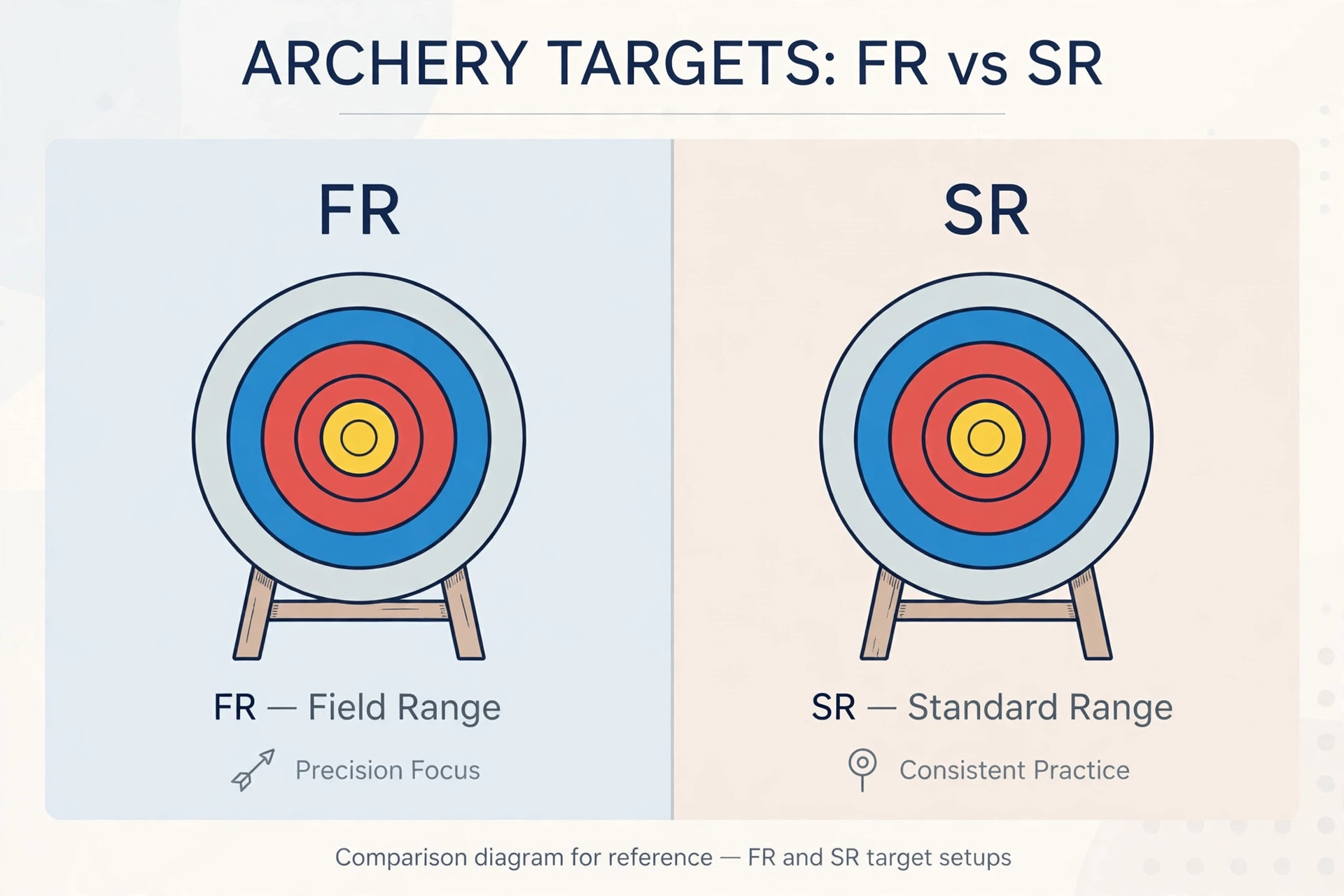
First round (FR)
The first round is the day’s opening archery session. A set number of archers each shoot a set number of arrows at the target. Officials count every arrow that hits. The total is a large number, sometimes in the hundreds or thousands, and only its last two digits are announced as the FR result. For the Juwai day session this declaration usually comes in the early afternoon.
Second round (SR)
After a break, the archers shoot again in the second round. The counting method is identical, but it is a completely new session, so the SR number is independent of the FR number. There is no formula linking them. When you see a juwai teer previous result written as a pair, you are looking at the outcomes of two separate shootings that happened hours apart.
Why independence matters
Because the rounds are independent, a big FR number tells you nothing about the SR number, and yesterday’s pair tells you nothing about today’s pair. This is worth repeating because so much confusion comes from assuming hidden links between numbers. The archive is a record of independent events, and reading it that way keeps your expectations realistic.
Where the Previous Result Archive Lives
The archive is the dated collection of all declared results. On this site it lives on the teer result list page. Think of it as a diary of the game. Each page of the diary is one date, and each date holds that day’s FR and SR numbers for every market we track, including Juwai.
New entries appear at the top and older entries sit below, so the page reads like a timeline running backwards. You do not need an account, a login, or any special tool to read it. It is a public record, open to everyone, which is exactly how a lottery result should be.
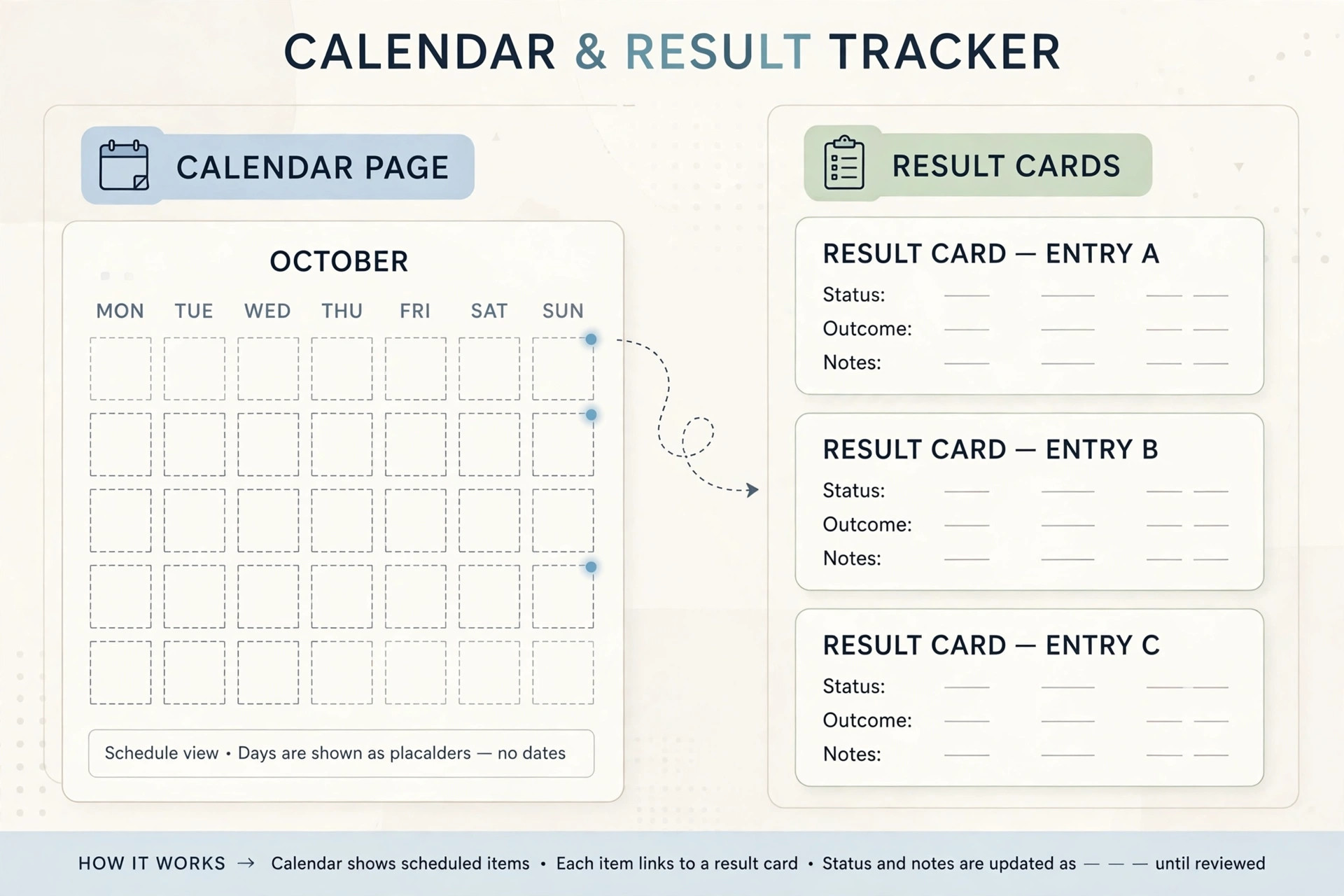
How to Check a Juwai Teer Previous Result in Four Steps
Here is the exact process, written for someone doing it for the first time.
Step 1 – Open the archive
Visit the teer result list page. Give it a moment to load fully so all dated entries appear.
Step 2 – Confirm the market name
Look for the Juwai section. The page covers several markets, and each has its own clearly labelled block. Make sure the block you are reading says Juwai, not Shillong and not Khanapara. Markets are different games with different numbers, and reading the wrong block is the fastest way to copy the wrong number.
Step 3 – Match the full date
Inside the Juwai block, find the entry with your date. Read day, month and year together. A juwai teer previous result is only meaningful with its date attached, so do not accept a number until the date matches the day you have in mind.
Step 4 – Read FR, then SR
Read the first number as the first round and the second as the second round. Write them down in that order with the date. You now have a complete, verified record.
Morning Session and Day Session Records Are Separate
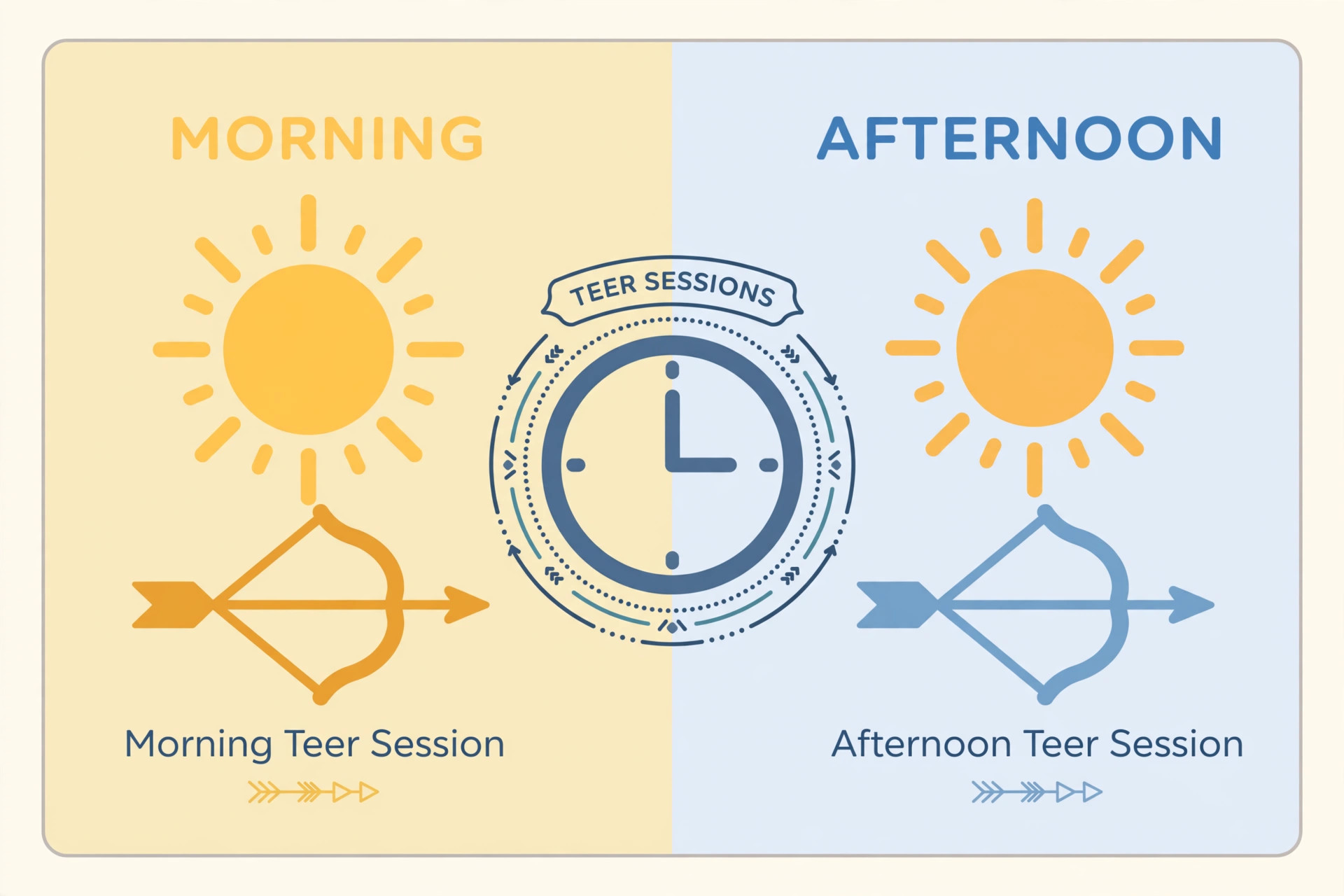
Juwai teer runs a morning session in addition to the day session, and this is where many readers get confused. The morning session has its own archers, its own timings, and its own FR and SR numbers, declared late in the morning. The day session follows in the afternoon with completely different numbers.
When you look for a juwai teer previous result, decide first which session you mean. If you played or followed the morning game, look at the morning records. If you followed the afternoon game, look at the day records. Mixing the two gives you a pair of numbers that never belonged together. Our juwai teer result page keeps the day session numbers, and morning numbers appear under their own heading, so the separation is always visible.
What the Dash Placeholder Means
In any result table you will sometimes see a dash “-” where a number should be. This is not a result and not a zero. It is a placeholder with one clear meaning: not declared yet, or not held.
On the current day’s entry, dashes are normal before the rounds are declared. The FR dash fills in when the first round is announced, and the SR dash fills in after the second. On a juwai teer previous result from a past date, both dashes should already be filled with real numbers. If a past date still shows a dash, it almost always means no game was held that day, which happens on Sundays and public holidays.
Learning to read the dash correctly protects you from the most embarrassing mistake in teer following: quoting today’s half declared entry as if it were a complete result.
How to Verify a Number Before You Trust It
Numbers travel fast on messaging apps, and not all of them are accurate. Before you trust a number someone sent you, run this short verification.
Check the date on the source. A forwarded screenshot often has no visible date. Without a date, the numbers prove nothing.
Match it against the archive. Open the dated archive and compare digit by digit. If it matches, the number is genuine.
Confirm the session. Make sure the screenshot and the archive entry describe the same session, morning or day, FR or SR.
Prefer the archive over the screenshot. The archive is dated, labelled, and maintained daily. A screenshot is none of those things until verified.
This habit takes thirty seconds and eliminates nearly every false number that circulates. For more on how we handle accuracy, see our about us page.

Timings: When Results Become Previous Results
A result becomes a “previous result” the moment the day ends. The Juwai day session declares its rounds in the afternoon, the morning session declares late in the morning, and by evening both are settled history. The archive updates as declarations happen, so by the next morning every juwai teer previous result from the day before is complete and final.
This rhythm is useful to know. If you check the archive at night, you are reading settled records. If you check in the middle of the afternoon, you are watching a live day where some entries are still dashes. Neither is wrong, but they are different activities: one is record reading, the other is live following.
A Responsible Note on Old Results
Old results are records, not advice. Because every round is a fresh archery session, no amount of studying past numbers changes the odds of the next round. Keeping records for fun or for confirmation is harmless. Increasing your spending because a pattern “looks promising” is not. This site publishes no predictions, no common numbers, and no betting tips of any kind.
Teer is a legal lottery in Meghalaya, open only to adults aged 18 and above. If you participate, please do so responsibly and within limits you set for yourself. To understand the game better, you can read the background article on teer at Wikipedia or visit the Government of Meghalaya portal for official state information.
How Previous Result Records Were Kept Before the Internet
Long before result websites existed, a juwai teer previous result travelled by word of mouth and handwritten notes. Regular followers would gather near the teer counters in the evening, hear the declared numbers announced, and write them into small notebooks. Shopkeepers kept ledgers. Friends compared notes the next morning to make sure everyone had copied the numbers correctly. The system worked, but it was slow and fragile. A lost notebook meant lost history, and a misheard digit could spread through a whole neighbourhood before anyone noticed.
The arrival of the internet changed all of that. Dated archives replaced notebooks with a public record that anyone can check at any time. The benefits go beyond convenience. A written archive removes the mishearing problem entirely, because the numbers sit on the page exactly as declared. It also creates accountability. When every past result is visible with its date, there is no room for anyone to rewrite history or invent a number that was never declared. That transparency is one of the quiet strengths of the modern teer record system, and it is why checking the archive is always better than relying on memory or hearsay.
What the old notebooks got right
The notebook keepers of the past understood something important: a result is only useful when it carries its date and its session. They wrote the date at the top of each page and marked morning and evening numbers separately. Modern archives follow the same logic with better tools. The principle has not changed in decades, only the medium.
Why digital archives are more reliable
A digital archive does three things a notebook cannot. First, it timestamps every entry, so the date can never smudge or fade. Second, it keeps every market separate, so Juwai numbers never get mixed with Shillong numbers the way hurried handwriting once allowed. Third, it stays available to everyone at once, which means a disputed number can be settled in seconds by anyone with a phone. When you open a juwai teer previous result in our archive, you are using the modern version of a very old and sensible habit.
How Regular Followers Use Previous Results Wisely
Talk to long time teer followers and you will find that most of them use old results in practical, level headed ways. The most common use is confirmation. Someone hears a number at the counter or in a chat group, opens the archive, and checks whether it matches the declared record. This takes less than a minute and ends more arguments than any other habit in the teer world.
The second common use is personal record keeping. Many followers maintain their own diaries of past results, sometimes going back months. They do this for the satisfaction of a complete collection, the same way others collect stamps or old newspapers. There is nothing wrong with this as long as the diary stays what it is: a record of the past.
The third use is settling friendly debates. Teer counters are social places, and disagreements about what last week’s number was are part of the culture. A quick look at the dated archive settles the matter instantly, with no hard feelings. In each of these uses, the juwai teer previous result serves as a neutral referee. It does not take sides, it does not guess, and it does not change. That neutrality is its whole value.
Uses to avoid
There is one use of old results that leads nowhere: treating them as a forecast. Some followers spend hours looking for repeating sequences or hidden rhythms in past numbers. The effort is understandable, because the human mind loves patterns, but the game does not cooperate. Each round is a new archery session with new arrows and a new count. The archive records what the arrows did. It cannot say what the next arrows will do. Keeping this boundary clear is the difference between enjoying teer as a game and being misled by it.
Teaching newcomers the right habits
If you introduce a friend to teer results, show them the archive first and the live numbers second. The archive teaches the structure: dates, sessions, FR and SR, the dash placeholder. Once that structure is clear, live results make sense immediately. Newcomers who start with the archive make fewer mistakes, mix up fewer sessions, and develop the verification habit from day one. It is a small kindness that saves them from the usual early confusions.
FAQs About Juwai Teer Previous Result
How do I find the juwai teer previous result for yesterday?
Open the teer result list page, find the Juwai section, and look for yesterday’s date. Both the FR and SR numbers will be listed next to it, since yesterday’s rounds are fully declared.
What is the difference between FR and SR in old results?
FR is the first round archery session of the day and SR is the second round session. A juwai teer previous result shows both because each day produces two separate winning numbers from two separate shootings.
Why is there no result for Sunday in the archive?
Teer is generally not played on Sundays, so there is no result to record. A missing Sunday entry means no game was held, which is the normal weekly schedule.
Can I trust a result screenshot sent on WhatsApp?
Only after verifying it. Match the numbers against the dated archive entry for the same date and session. Screenshots without dates or with cropped labels should not be trusted on their own.
Do morning and day sessions share the same previous results?
No. Juwai morning teer and Juwai day teer are separate games with separate archers and separate numbers. Their previous results are recorded separately and must not be mixed.
How quickly are results added to the archive?
Declared numbers are added on the same day, usually within minutes of the announcement at the ground. By the next morning, the previous day’s juwai teer previous result is complete with both rounds filled in.
Are previous results useful for predicting the next number?
No. Each round is an independent archery session, so past numbers have no effect on future ones. Use old results as records and for confirmation, never as predictions.
Conclusion
Checking a juwai teer previous result is easy when you follow the right order: open the archive, confirm the Juwai market, match the full date, and read FR before SR. Respect the dash placeholder, keep morning and day sessions separate, and verify forwarded numbers against the dated record instead of trusting screenshots. Do all of that, and the archive will serve you exactly as intended, as a clear and honest history of every Juwai teer day.
Teer is a legal lottery in Meghalaya for adults aged 18 and above. Please play responsibly.