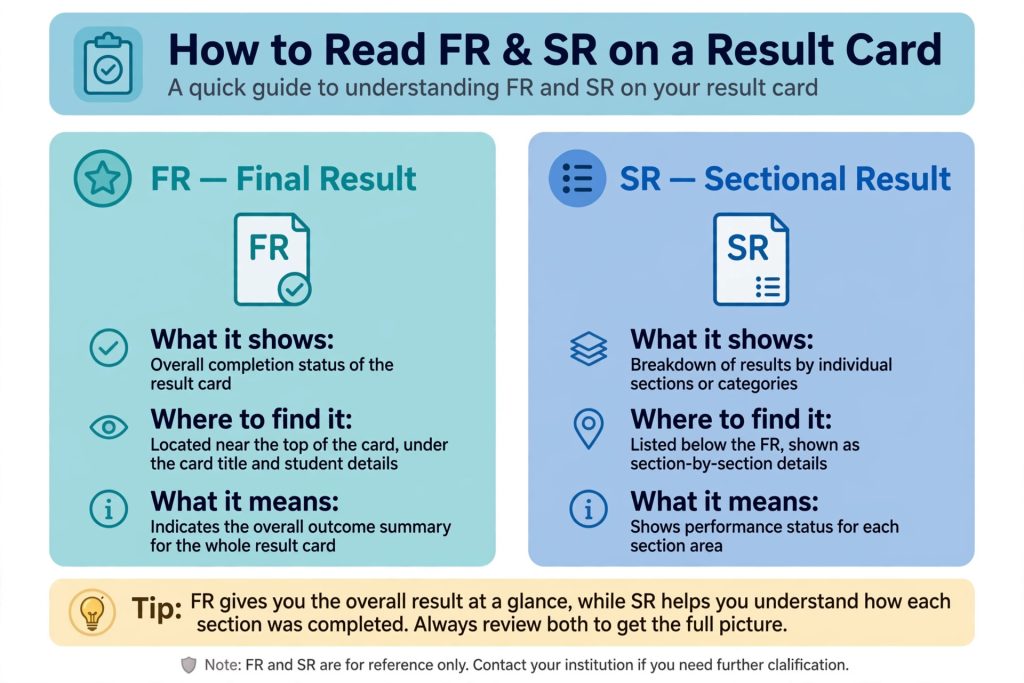
The juwai morning teer result is the first result declared each day at the Juwai archery ground in Meghalaya. If you have just started following teer, the morning result can look confusing at first glance. Two numbers appear on every result card, each one labelled either FR or SR, and small date and session labels decide whether the numbers in front of you belong to today, to yesterday, or to an entirely different session. This guide explains how to read the result card step by step, so you can check the morning result with confidence and avoid the mix-ups that catch most beginners.
By the end of this guide you will know exactly what each part of the card means. You will understand the difference between the first round and the second round, how to confirm that you are looking at the morning session and not a later session of the day, and how to keep a simple daily record of results without confusion. You will also learn the reading mistakes that even experienced followers make, and where to verify the morning result so that an old screenshot or a wrong date never misleads you. Searchers use several names for the same session, including morning teer juwai and juwai teer morning result, and this guide covers them all so every reader finds the right information.
How to read the juwai morning teer result card
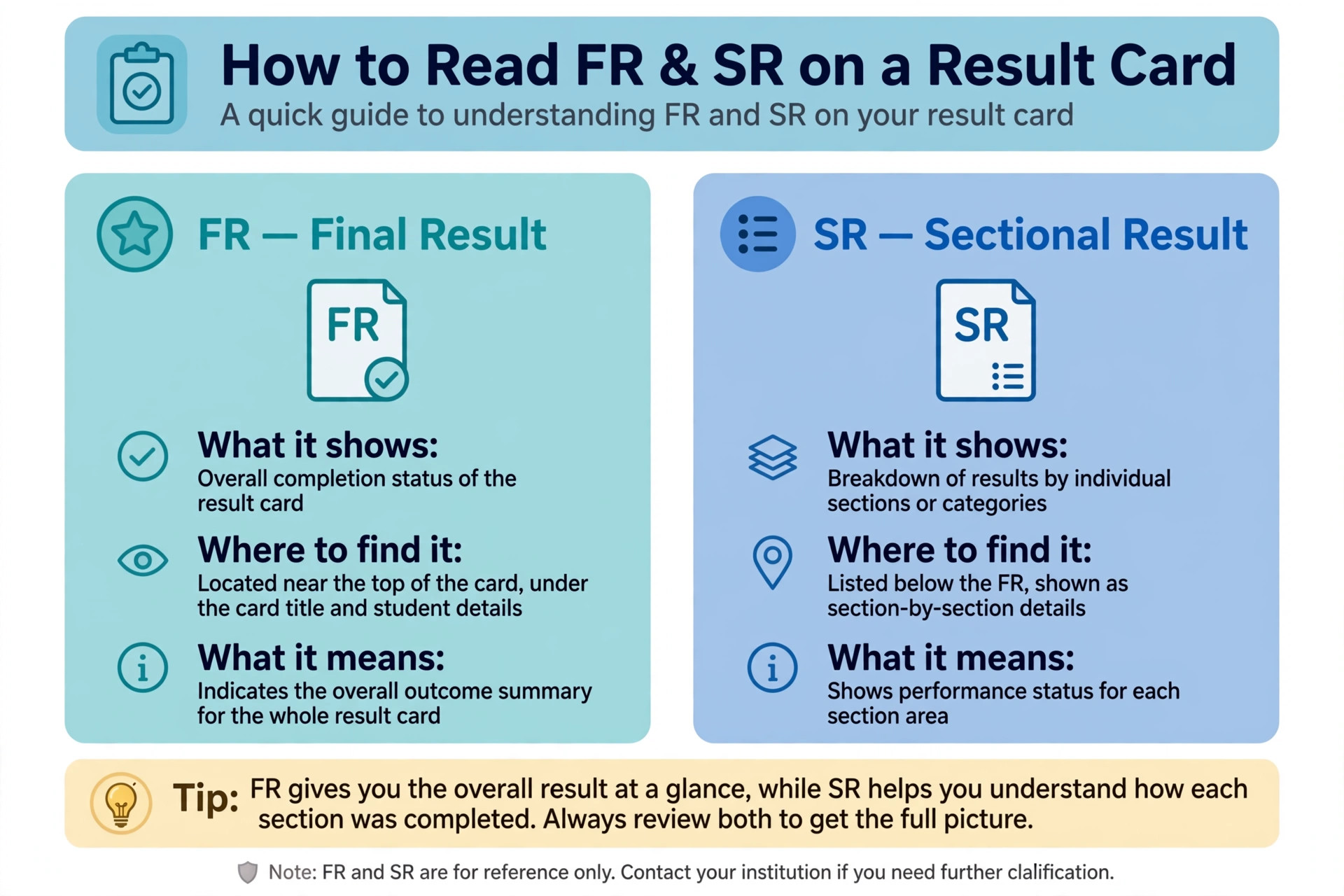
Every morning result is published on a small card or in a simple results table. The layout may look slightly different from one website or notice board to another, but the information is always the same: a date, a session label, and two numbers. Once you learn to identify each part, reading any morning card takes only a few seconds. Work through the card in the order below and you will never misread it.
Check the date line first
The date line tells you which day the result belongs to. This is the single most important part of the card, because old result cards circulate widely on messaging apps and social media. A card showing yesterday’s numbers looks identical to today’s card except for this one line. Before you read anything else, confirm that the date on the card matches today. If the card shows no date at all, treat it as unreliable and do not share it. When you save or screenshot a result for your own records, always keep the date visible so that nobody mistakes it for a newer declaration. Well maintained results archives list cards day by day, which makes it easy to confirm that you are reading the correct one.
FR: the first-round number
FR stands for the first round. In the morning session at Juwai, archers shoot a set of arrows at the target, and officials count how many arrows hit the target. The result for the round is taken from the last two digits of that total count. On the card, the FR number appears next to the label FR or First Round, and it is declared before the second round begins. A card might display it in a format such as FR: – (example only, not a real result). When you read the card from left to right, the FR number is the earlier of the two numbers. Think of it as the opening result of the morning session: everything that happens in the second round comes after it.
SR: the second-round number
SR stands for the second round. After the first round is complete, the archers shoot again, the hits are counted a second time, and the last two digits of that new count become the SR number for the morning session. The SR number appears next to the label SR or Second Round, and it is declared after the FR number. A card might display it as SR: – (example only, not a real result). The two numbers are independent of each other. The second round does not change, replace, or cancel the first-round number. A complete morning result therefore always has two numbers, one for FR and one for SR. If a card shows only one number, the second round has not been declared yet and the card is incomplete. Wait for the SR declaration before treating the result as final.
Confirm the session and timing labels
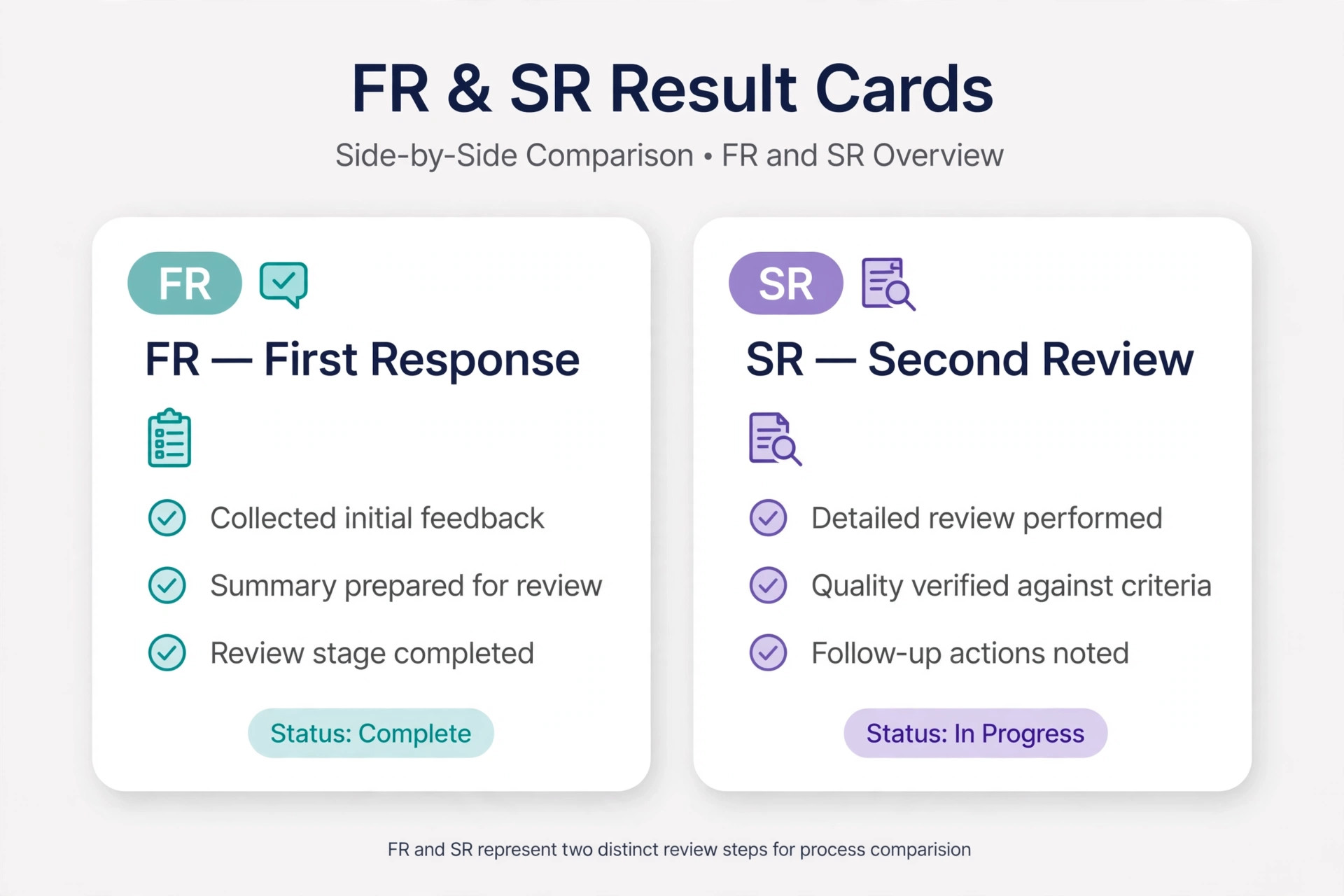
The session label tells you which sitting of the day the numbers belong to. For the card described in this guide, look for words such as Morning, Juwai Morning, or Morning Teer printed near the numbers. Juwai holds later sessions on the same day, and each one produces its own FR and SR numbers. Reading the session label protects you from the most common mix-up of all: treating a morning number as if it belonged to a later session, or reading a later session’s number as if it were the morning result. If the session label says anything other than morning, you are not looking at the morning result, no matter what the numbers say.
Put the whole card together
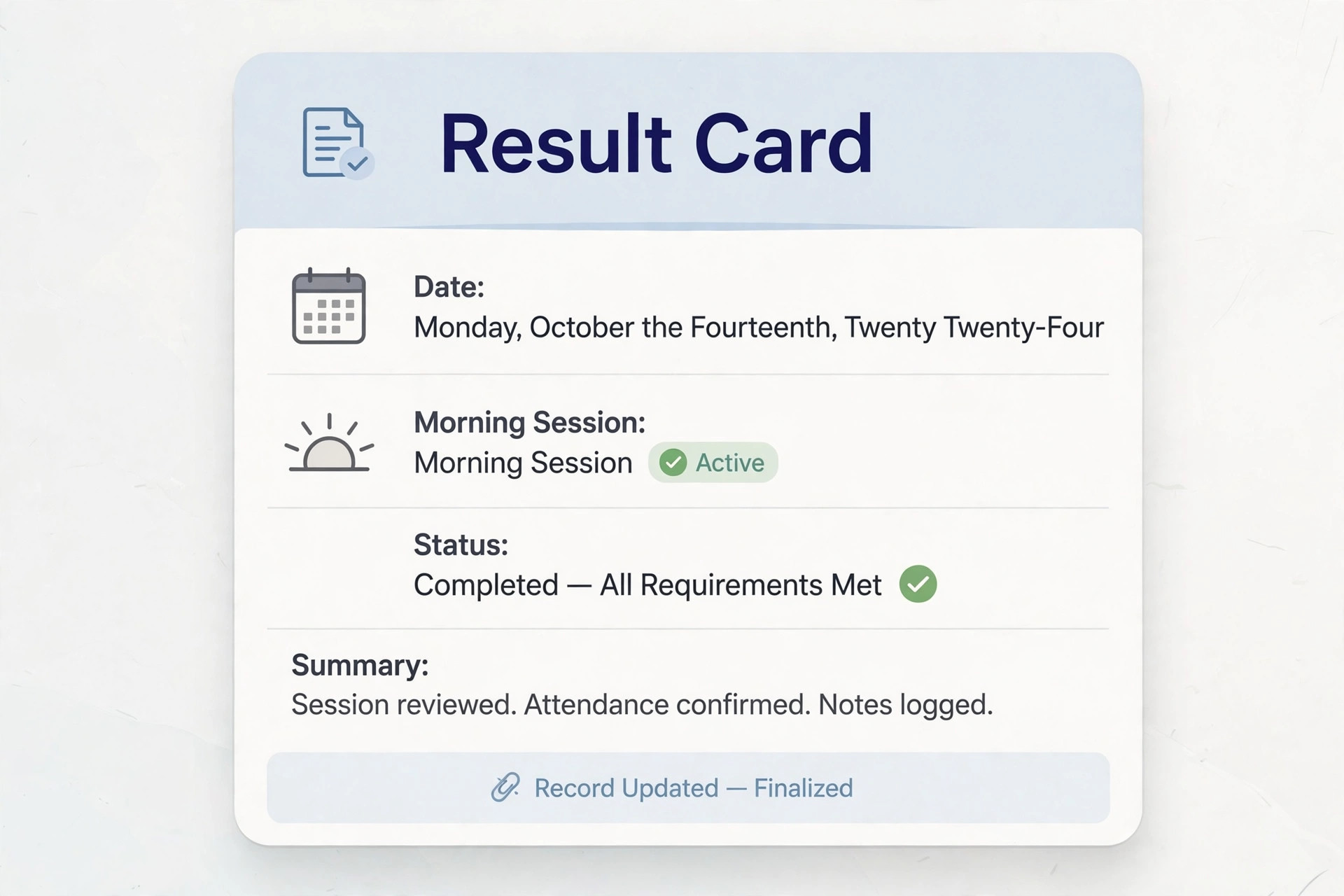
Read the card in this order every time: date, session label, FR number, SR number. A correctly read morning card therefore tells you four things: which day it belongs to, which session it belongs to, the first-round number, and the second-round number. When all four pieces are present and consistent, you have a complete and trustworthy morning result. If any piece is missing, especially the date or the session label, pause and find a better source before you rely on the numbers.
Why Juwai holds a separate morning session
Juwai is a town in the West Jaintia Hills district of Meghalaya, and its archery ground hosts one of the best known teer sessions in the state. Teer is a lottery game built around archery, a sport with deep cultural roots among the Khasi people. You can read more about the background of the game on the Teer page on Wikipedia. Tickets are sold at licensed counters before the shooting begins, archers take aim at the target, and the number of arrows that strike the target decides the result of each round. The last two digits of the hit count become the declared number, which is why every teer result is always a two-digit number.
The morning session exists because interest in the game grew beyond a single daily sitting. A separate morning session gives ticket sellers and players an additional declared result earlier in the day, while the later sessions continue on their own schedule. Each session is a complete event in its own right, with its own FR and SR numbers, so the morning result never carries over into the later sessions of the same day. This is exactly why the session label on the card matters so much: the same town declares several sets of numbers every day, and only the session label tells them apart.
Because teer is a state-regulated lottery, the game operates under the rules set by Meghalaya. Official information about the state and its administration is published on meghalaya.gov.in. Licensed ticket counters are the authorised place to participate, and participation is strictly for adults aged 18 and above. Understanding this regulated background helps you read results with the right mindset: the numbers come from a real archery event held at a real ground, announced round by round, and the card you read is simply the record of that event.
Common mistakes when reading the juwai morning teer result
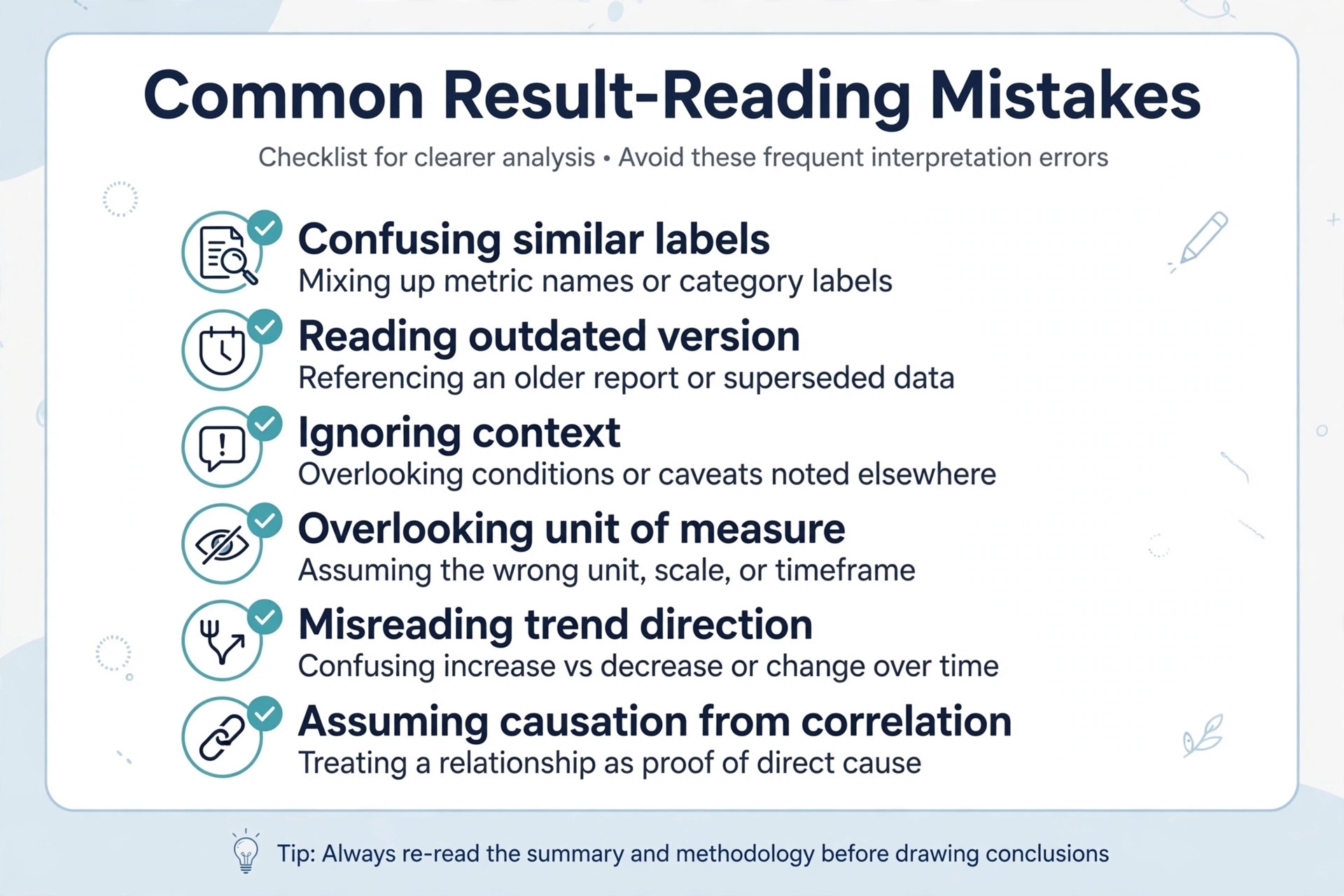
Most confusion around the morning result comes from a small set of repeatable mistakes. Learn them once and you will read every future card correctly.
Mistake 1: trusting a card without a date
A result card without a date is an unfinished message. Because the card layout barely changes from day to day, a dateless screenshot from last month looks exactly like a dateless screenshot from this morning. Always demand the date. If a forwarded image has the date cropped out, ask for the original or check a dated archive instead of guessing.
Mistake 2: mixing up FR and SR
Beginners sometimes read the two numbers in the wrong order or treat them as interchangeable. They are not. FR is always declared first and belongs to the first round; SR is always declared second and belongs to the second round. When you note the result down, keep the two columns separate and never swap them. Swapping FR and SR is one of the fastest ways to create a wrong record that looks right.
Mistake 3: confusing the morning session with later sessions
Juwai declares results more than once a day, and every session produces an FR and an SR number. If you skip the session label, a later session’s numbers can easily be mistaken for the morning result. Always read the session line before the numbers. When you compare results across days, compare morning with morning only, never a morning number with a later session number.
Mistake 4: reading numbers from forwarded screenshots
Screenshots passed through chat groups are the least reliable source of results. They get cropped, compressed, re-captioned, and sometimes deliberately edited. A screenshot that claims to show the juwai morning teer result today may actually show a different session, a different date, or even a different town. Use screenshots only as a hint, then verify the numbers against a proper result card or archive that shows the date and session clearly.
Mistake 5: assuming a single number is the full result
When the FR number is declared, some readers treat the morning result as complete and stop watching. The morning result is only complete when both FR and SR have been declared. A card with one number is a card in progress. Wait for the second-round declaration, then record both numbers together as the final morning result for the day.
How to track the morning result through the day
Reading one card correctly is a skill. Tracking the morning result across the whole day is a habit. The two together give you a clean, reliable record.
The daily sequence: morning first, later sessions after
The day’s teer schedule begins with the morning session at Juwai, and the later sessions follow in their own order. Think of the day as a timeline: the morning result is the first entry, and each later session adds its own pair of numbers after it. When you check results during the day, always ask yourself where you are on that timeline. If you open a results page in the evening and see several sets of numbers, the morning pair is the earliest one, clearly marked with the morning session label. Never read the newest numbers on the page and assume they are the morning result.
Keep a simple daily log
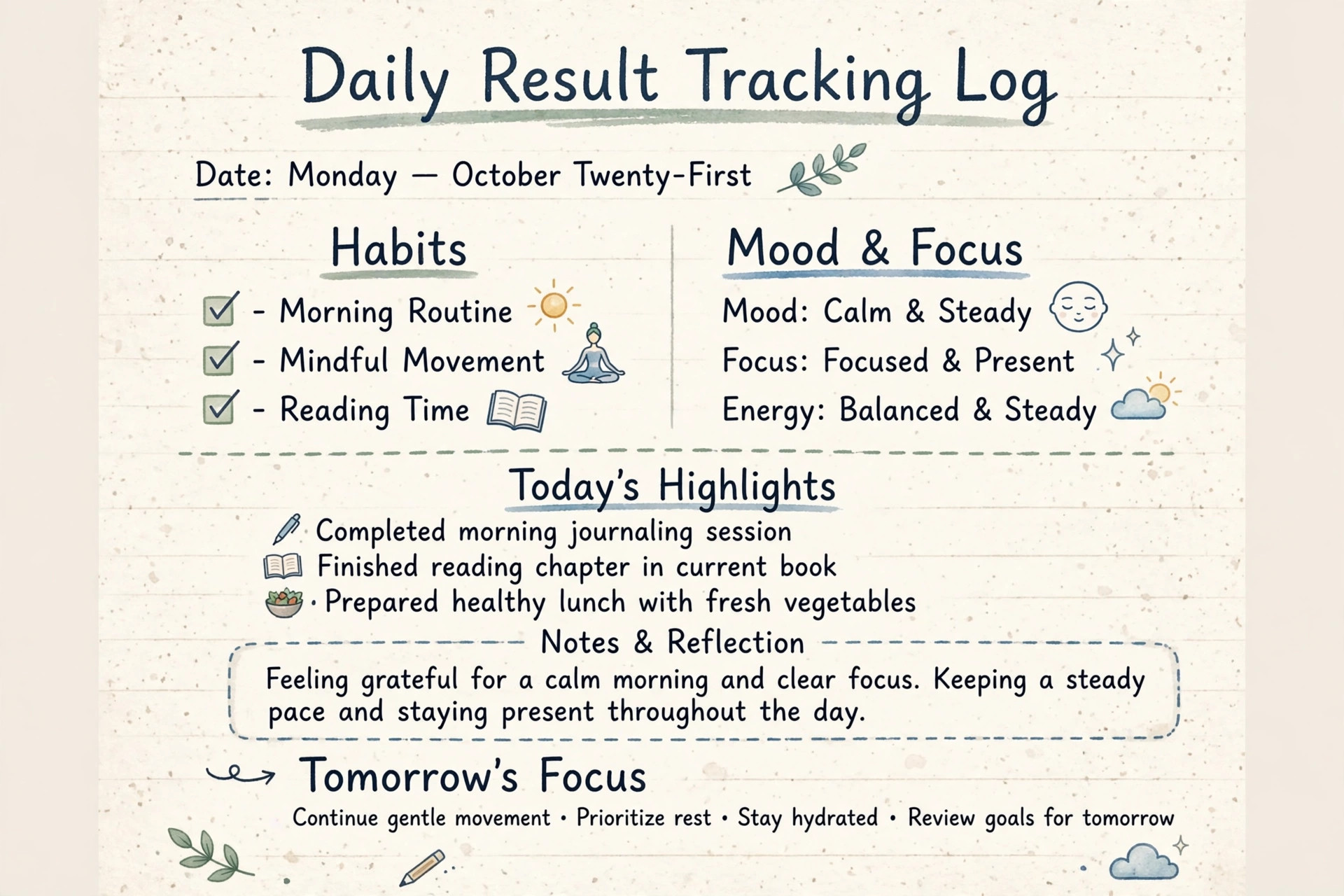
A small notebook or a notes app is all you need. For each day, write the date once, then create one row for the morning session with two columns: FR and SR. Fill in the FR number when it is declared, add the SR number when it follows, and leave the row alone after that. When the later sessions are declared, give each of them its own row rather than squeezing extra numbers into the morning row. This one habit prevents almost every mix-up described in the mistakes section above, because a number can only be confused with another number if they share a row.
Use the archive to verify past results
Memory is unreliable and screenshots are worse, so verify against an archive whenever something looks off. A dated archive lets you confirm what the morning numbers were on any given day, which settles most arguments about old results in seconds. Our teer result list keeps past results organised by date, so you can check whether the card in your hand matches the archived record. If the two disagree, trust the dated archive over the forwarded image and investigate further before sharing anything.
Where to check the morning result safely
The most reliable place to see a result is where it is declared: the archery ground itself and the licensed counters around Juwai announce each round as it happens. For everyone following from a distance, the next best option is a results publisher that shows the full card: date, session label, FR number, and SR number, all in one place.
Our dedicated Juwai teer result page presents the morning result in a clear card format with the date and session labels visible, so you can apply everything in this guide at a glance. You can also start from the View Teer Result homepage and navigate to the result you need. Whatever source you use, run the same four-point check before you trust it: correct date, morning session label, FR number present, SR number present. If a source routinely fails that check, stop using it and find one that passes.
Teer is for adults: play responsibly
Teer is a legal lottery in the state of Meghalaya, and it is strictly for adults aged 18 and above. Treat the game as entertainment, never as a way to earn money or solve financial problems. Decide in advance how much you are comfortable spending, stay within that limit, and only buy tickets from licensed counters. If playing stops being fun, or if you feel pressure to keep playing, take a break and talk to someone you trust. A healthy relationship with the game starts with reading the results correctly and ends with knowing when to walk away.
Frequently asked questions
What does FR mean in the juwai morning teer result?
FR stands for the first round. It is the number declared from the first round of archery shooting in the morning session at Juwai. The number is derived from the last two digits of the count of arrows that hit the target in that round. On the result card it appears next to the label FR or First Round, and it is always declared before the SR number.
What does SR mean in the morning teer result?
SR stands for the second round. After the first round finishes, the archers shoot a second time, the hits are counted again, and the last two digits of that count become the SR number. It appears next to the label SR or Second Round and is declared after the FR number. The SR number is independent of the FR number and does not replace it.
How many numbers make up a complete morning result?
Two: one FR number and one SR number. A morning result with only one number is incomplete, because the second round has not been declared yet. Always wait for both numbers before treating the result as final, and record them as a pair with the date and the morning session label.
How do I know I am looking at today’s morning result and not an old one?
Check two things: the date line and the session label. The date must match today, and the session label must say morning. Old cards circulate constantly on messaging apps, and a card from another day looks identical except for the date. If either the date or the session label is missing or unclear, verify the result against a dated archive before trusting it.
Why does the morning result have two numbers instead of one?
Because the morning session consists of two separate rounds of shooting. Each round produces its own count of target hits, and therefore its own two-digit result number. The FR number records the first round and the SR number records the second round. Together they form the complete record of the morning session.
Where can I check the juwai morning teer result online?
Use a results publisher that displays the full card with the date, the morning session label, and both the FR and SR numbers. Our about View Teer Result page explains how we publish results, and our Juwai result page shows the full card with the date, the morning session label, and both the FR and SR numbers. Avoid relying on cropped screenshots from chat groups, and always confirm the date before sharing a result.
Is the morning result connected to the later sessions of the day?
No. Each session at Juwai is a separate event with its own FR and SR numbers. The morning result does not influence, predict, or carry over into the later sessions. When you keep records, give every session its own row and compare morning results only with other morning results.
Conclusion
Reading the juwai morning teer result correctly comes down to four habits: confirm the date, confirm the morning session label, read FR before SR, and wait for both numbers before calling the result complete. With those habits in place, no forwarded screenshot or mislabelled card can confuse you, and your daily log will stay clean from the first session of the day to the last. Keep this guide bookmarked, verify every card against a dated source, and enjoy following the morning session with confidence.