In the hills of Meghalaya, long before the archers draw their bows each day, a quieter ritual takes place in homes across Shillong, Juwai and Khanapara. People wake up, remember what they dreamed the night before, and talk about it over morning tea. For generations, the idea of a teer dream number has been part of this morning conversation. It is the folk belief that dreams carry symbols, and that those symbols have traditional meanings passed down through families and communities. This article is a cultural guide to that folklore. It explains where the custom comes from, how people practise it, and what it means to the communities that keep it alive. It is written for readers who are curious about the human side of teer, the stories and symbols that surround the game, not as advice about how to play. To see how the game itself works and when results are declared, you can visit the View Teer Result homepage for daily schedules and result listings.
What Is a Teer Dream Number
A teer dream number is a number that a player associates with a dream, following folk charts or family traditions that link common dream images to two digit numbers. The teer game is decided by archery. Archers shoot arrows at a target, officials count how many arrows hit, and the last two digits of that count become the result of the round. Because every result is a number between 00 and 99, the dream number tradition assigns two digit entries to dream symbols, so that a dream about a river, a snake, a wedding or a journey can be matched to an entry on a traditional list.
It is important to understand what this tradition is and what it is not. It is a piece of living folklore, similar to the way many cultures read meaning into dreams. In the Khasi hills, in Assam and in other parts of the Northeast, elders have long treated dreams as messages worth discussing. When teer became an organised lottery in Meghalaya, this older habit of dream interpretation naturally attached itself to the game. The numbers are part of a cultural game of meaning, not a method of forecasting. No dream, chart or elder can predict how many arrows will strike a target on any given day, because that outcome depends on the archers, the weather and chance.
The tradition survives because it is social. Dream stories are told at breakfast tables, in shared taxis, at tea stalls and outside ticket counters. Retelling a vivid dream is entertaining in itself, and matching it to a traditional number gives the story a playful ending. For many people, the teer dream number is less about the ticket counter and more about belonging to a shared culture of storytelling.
How the Tradition Differs From Other Teer Customs
Teer has several customs that grew up around the archery. Some players follow the timing of the rounds closely, noting that the first round and second round are declared at fixed times each day. Others study previous results to look for patterns in how often certain endings appear. The dream number custom is different from both of these because it starts from personal experience rather than from the game itself. It begins with something private, a dream, and connects it to the public world of the lottery through folklore.
This makes the teer dream number tradition closer to literature than to statistics. Two people can dream of the same river and choose different numbers from different family charts, and neither is considered wrong, because the charts themselves differ from village to village. The variety is the point. It shows that the custom is a folk art, kept alive by retelling, not a science with a single correct answer.
How Dream Numbers Entered Teer Culture
To understand how dreams became linked to a lottery, it helps to know the history of teer itself. Archery has been practised in the Khasi and Jaintia hills for centuries, originally as a skill for hunting and later as a sport played at festivals and gatherings. When the state of Meghalaya legalised and regulated archery based lotteries, the game moved from festival grounds to licensed counters, with fixed timings for the first round and second round each day. You can read a general overview of the game on the Teer page at Wikipedia, which describes its archery roots and its legal status in Meghalaya.
Dream interpretation in the region is older than the lottery by a very long time. In traditional Khasi belief, dreams were taken seriously as a way the unseen world communicates with the living. A striking dream might be discussed with family members, and its meaning debated. Some dreams were considered warnings, others blessings. This habit of treating dreams as meaningful did not disappear when the modern world arrived. It adapted. Just as festival archery adapted into the regulated teer game, the old practice of reading dreams adapted into the teer dream number custom.
The bridge between the two was probably the ticket counter itself. In the early days of organised teer, counters were social places where regular players gathered daily. People talked while they waited, and dreams are a natural topic of morning conversation everywhere in the world. Over time, certain dream images became linked to certain numbers through repeated storytelling. A memorable win by someone who had dreamed of a particular animal would be retold for years, and the association would stick. These associations were eventually written down in small printed charts sold near counters, and later shared on the internet, but their origin is oral, in spoken stories.
Storytelling Traditions of the Khasi Hills
The Khasi people have a rich tradition of oral storytelling, with tales of nature spirits, ancestors and the moral lessons of village life passed from grandparents to grandchildren. Dreams fit naturally into this storytelling culture. A grandmother telling her grandchildren about a dream she had is doing the same thing storytellers have always done, turning experience into narrative.
When younger generations began playing teer, they brought this storytelling habit with them. The dream number custom is therefore not an invention of the lottery industry. It is an old cultural habit wearing new clothes. Recognising this helps explain why the tradition feels so natural to people in the region and so puzzling to outsiders. It was never really about the lottery at all. It was about dreams, and the lottery simply gave dreams a new stage.
Teer Dream Numbers and Khasi Folklore
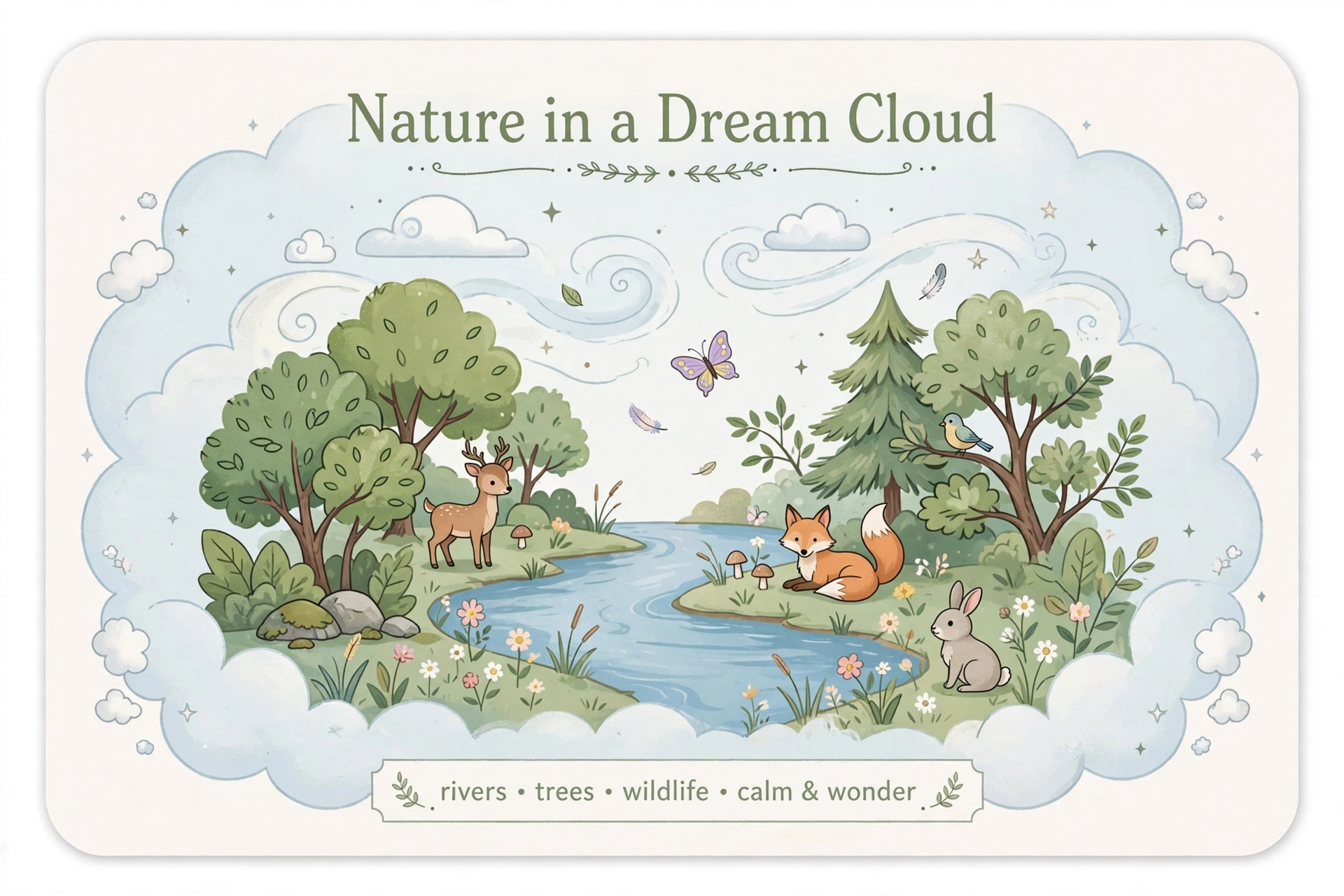
The symbols that appear in teer dream number charts come directly from the landscape and daily life of Meghalaya. This is one of the most interesting things about the tradition for anyone who studies folklore. The charts are like a map of what matters in hill life. Rivers and rain appear because water shapes everything in a region famous for its monsoons. Animals appear because village life has always been close to livestock and forest creatures. Family events like weddings and births appear because community life revolves around them.
Nature Symbols in Dream Folklore
Water is one of the most commonly discussed dream symbols in the region. Dreaming of a clear river is traditionally read as a sign of calm and good fortune in folk belief, while dreaming of floods or muddy water is read as a warning. Rain, waterfalls and wells each carry their own traditional readings. Forests and trees appear too, often linked in stories to shelter, growth or hidden things. The moon and stars, thunder and mist, all have places in the folk vocabulary of dreams.
What makes this folklore distinctive is how local it is. A dream symbol list from the Khasi hills looks different from one from the plains of Assam, because the landscape is different. The living root bridges, the sacred forests, the steep valleys, these are the images that fill local dreams, and so they fill the local dream number tradition as well.
Animals and Village Life
Animals feature heavily in dream stories told around teer. Elephants, tigers, snakes, fish, birds and cattle each carry traditional meanings that vary from family to family. In many tellings, a snake in a dream is treated with special attention, sometimes as a warning and sometimes as a sign of hidden strength. Fish are often linked to abundance. Birds may be read as messengers. None of these readings are fixed. Ask three elders and you may hear three different interpretations, and that disagreement is itself part of the folk process.
Village life provides another rich source of symbols. Dreams of weddings, journeys, markets, festivals and ancestral homes are retold with great interest. A dream of travelling to a distant place might be discussed for days. These stories reveal what a community values and fears, which is why folklorists find the teer dream number tradition worth studying in its own right, quite apart from the lottery.
The Role of Elders and Storytellers
In many families, there is one person recognised as especially good at interpreting dreams. Often it is a grandparent or an older relative known for remembering the old stories. Their interpretations carry weight not because of any official authority but because of respect. When such a person says a dream means something, the family listens.
This role is slowly changing as the tradition moves online. Young people now discuss dreams in messaging groups and on social media, comparing their family charts with versions shared by strangers. The elders remain, but they now share the stage with the internet. The core of the practice is unchanged though. It is still one person telling another person what they dreamed, and both of them finding meaning in it together.
Shillong Teer Dream Number Traditions Today
Shillong is the heart of the teer world, and it is also the heart of the dream number tradition. The city wakes early, and in the hours before the first round, dream stories circulate through neighbourhoods. The phrase shillong teer dream number is searched online by thousands of people, many of whom are looking for the charts. But the living tradition is not really on the internet. It is in the spoken conversations of the city.
If you want to understand the daily rhythm of the game in Shillong, including when the first and second rounds are declared, the Shillong teer result page gives the schedule and explains how the rounds work. The dream tradition follows that same rhythm. Dreams are discussed in the morning, before the day’s rounds, because dreams belong to the night and the morning is when they are freshest.
Tea Stalls and Morning Conversations
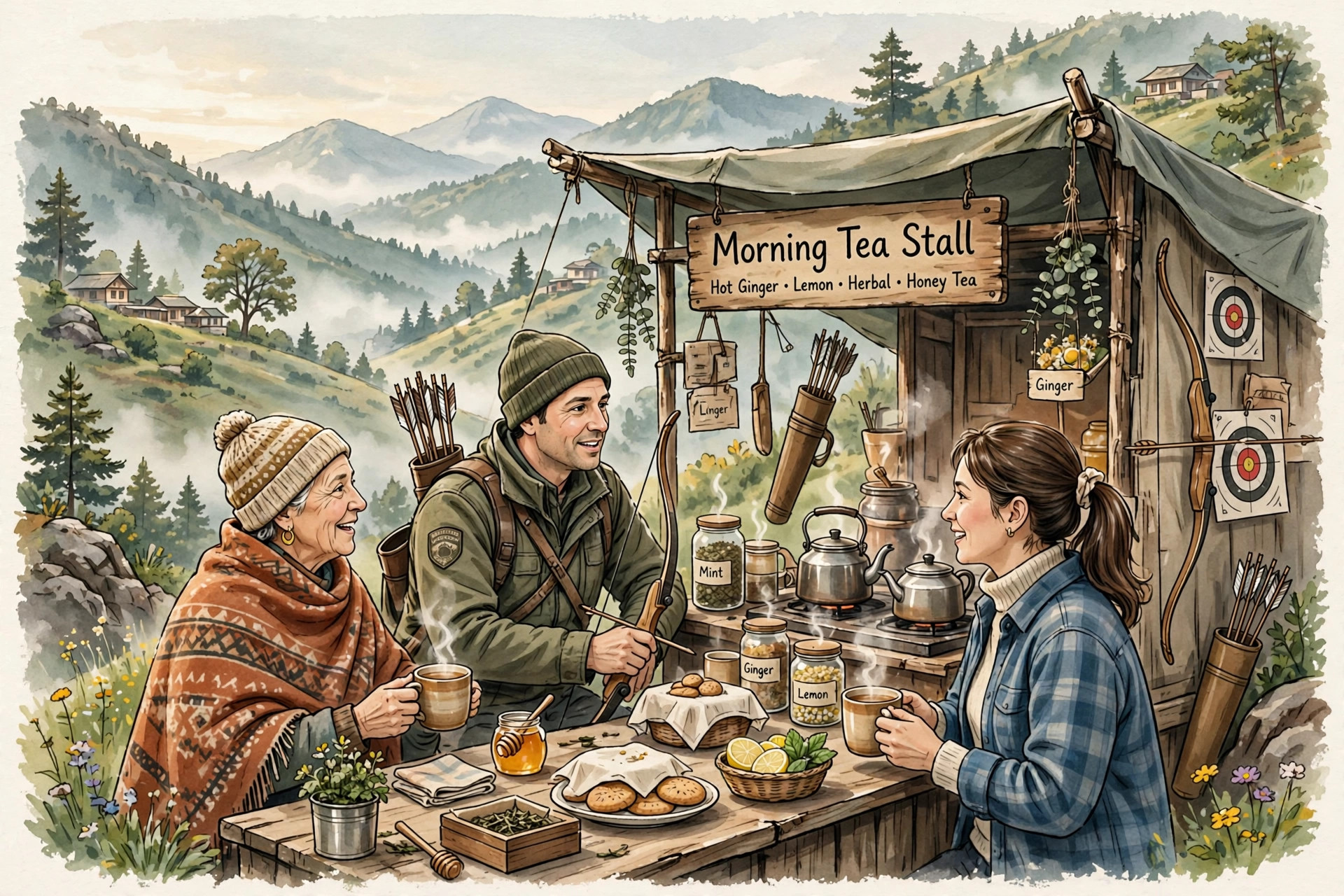
The tea stall is the unofficial headquarters of the dream number tradition. Across Shillong, small stalls serve hot tea from early morning, and regular customers gather to talk. A vivid dream is prime material for this conversation. The dreamer tells the story, others offer their interpretations, someone recalls what their grandmother used to say about that symbol, and eventually the talk turns to which traditional number the family chart assigns to it.
These conversations are entertainment, community bonding and folklore transmission all at once. A young person listening learns the symbols of their culture without any formal teaching. The tea stall is, in effect, a classroom for folk tradition, and the curriculum is dreams.
Dream Stories and the Day’s Rounds
As the day progresses and the rounds are declared, yesterday’s dream stories get their endings. Someone who matched a dream to a traditional number checks the declared result, and whatever happens becomes part of the ongoing story. A match is retold with delight. A miss is laughed off or explained away. Either way, the story continues the next morning with a new dream.
This daily cycle is what keeps the tradition alive. It is renewed every single day, with fresh material every morning. Few folk customs get practised this regularly, and that regularity is a big reason the teer dream number tradition has survived into the smartphone era.
Why Dream Number Teer Charts Differ by Region
One of the clearest signs that dream numbers are folklore rather than fact is that the charts disagree with each other. A chart used in Shillong may assign a different number to the same dream symbol than a chart used in Juwai or Khanapara. If dream numbers were a real predictive system, this would be a problem. As folklore, it is exactly what you would expect. Folk traditions always vary by place, because they grow out of local stories, not universal laws.
Shillong, Juwai and Khanapara Variations
Shillong, as the largest centre, has the most elaborate dream number tradition, with long printed charts and a deep bench of storytellers. Juwai, in the Jaintia hills, has its own versions shaped by Jaintia culture and landscape. The Jaintia hills have their own festivals, their own sacred sites and their own stories, and these feed into local dream interpretations. You can follow the Juwai game schedule on the Juwai teer result page, and the dream talk there follows the local morning round timings.
Khanapara, sitting on the border between Meghalaya and Assam, blends influences from both sides. Dream symbols there may mix Khasi hill imagery with Assamese plains imagery, reflecting the mixed community. Morning sessions add another layer, with some players keeping separate dream notes for morning dreams and night dreams. These regional differences are a treasure for anyone interested in how folklore travels and changes.
Morning Dreams Versus Night Dreams
Some followers of the tradition make a distinction between dreams dreamed just before waking in the morning and dreams from deep in the night. Morning dreams, being freshest in memory, are often given special attention in conversation. Night dreams that wake the dreamer with a start are treated as especially powerful. This distinction has no basis in the mechanics of the lottery, but it shows how carefully people attend to their inner lives. The tradition encourages people to notice their dreams, remember them and talk about them, which is a gentle and human habit whatever one thinks of the numbers.
Keeping a Dream Journal as a Folklore Hobby
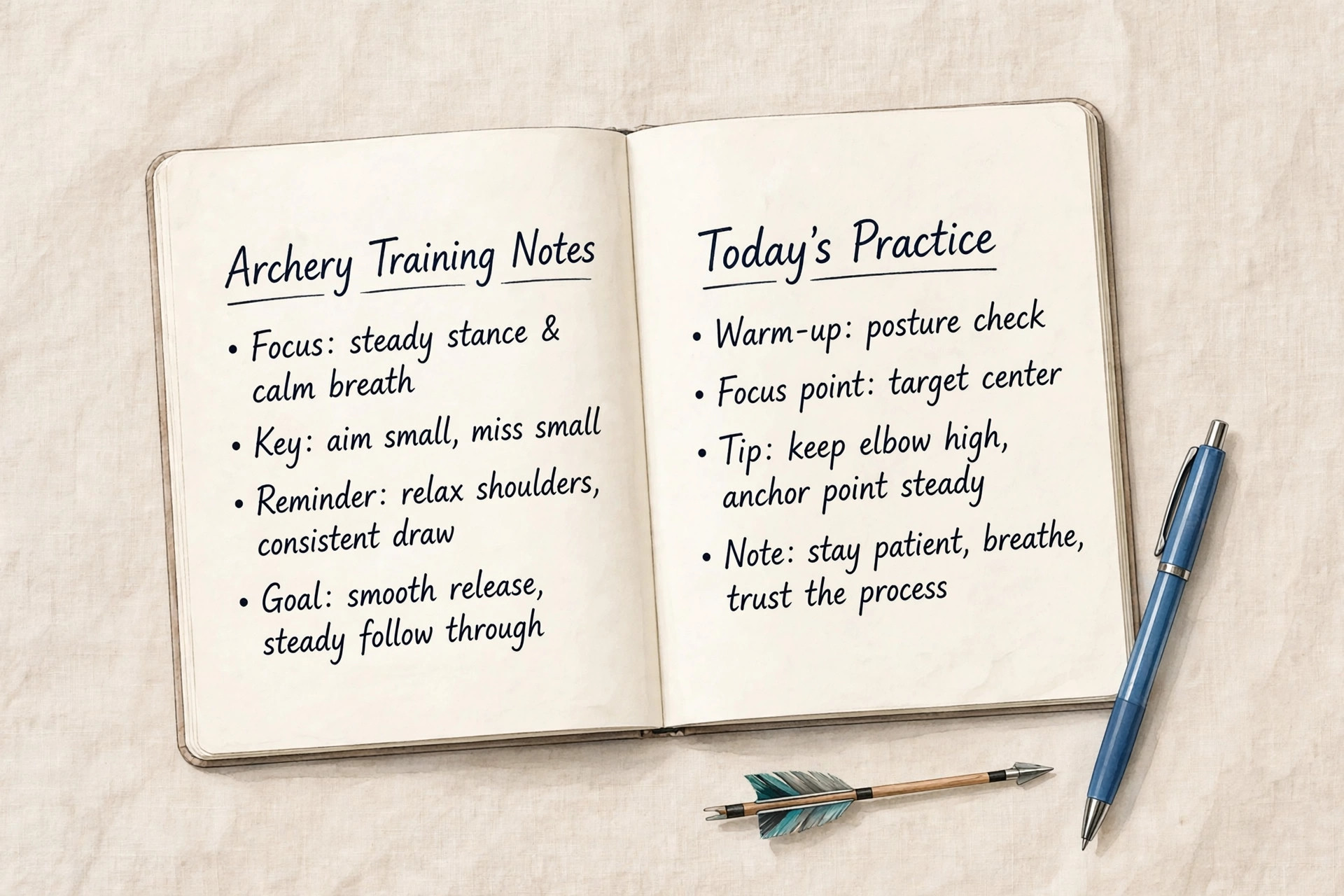
Many people who enjoy the teer dream number tradition keep a personal dream journal. This is simply a notebook where they write down their dreams each morning, along with the traditional meanings their family gives to the symbols. Kept in this spirit, the journal is a lovely personal archive, a record of one’s inner life over months and years.
How People Record Their Dreams
The usual method is simple. Keep a notebook and pen by the bed. On waking, write down whatever is remembered before the details fade, even if it is only a fragment. Later in the day, add notes about what elders or friends said the symbols traditionally mean. Over time, patterns emerge. Certain symbols recur. Certain themes follow the seasons of one’s life.
Some people illustrate their journals with small sketches of the dream images. Others note the date and the weather, treating the journal almost like a diary. A few compare notes with friends, turning journal keeping into a shared hobby. None of this requires any connection to the lottery. The journal stands on its own as a way of paying attention to one’s dreams, a practice that psychologists and writers have recommended for reasons that have nothing to do with teer.
Sharing Dreams in the Community
Dream journals are usually private, but the stories in them often become public at the tea stall or the family table. Sharing is selective. People share the vivid, funny or striking dreams and keep the painful ones to themselves. This selectivity shapes the tradition, because the symbols that get discussed most are the ones that make good stories.
Community sharing also keeps the folk charts evolving. When a new symbol enters daily life, such as the mobile phone, it eventually enters dreams, and then it enters conversation, and eventually someone proposes a traditional number for it. In this way the teer dream number tradition stays current, absorbing each generation’s imagery while keeping its old core of rivers, animals and ancestors.
Enjoying the Folklore Responsibly
Because this article discusses a tradition linked to a lottery, a responsible note is necessary. Teer is a legal lottery in the state of Meghalaya, regulated by the state government, and it is strictly for adults aged 18 and above. The dream number tradition is folklore and entertainment. It cannot predict results, and no chart, elder or website can change the odds of any round. For official information about the state and its regulated activities, the Meghalaya government portal is the authoritative source.
If you enjoy the dream number tradition, enjoy it as culture, as storytelling, as a way of staying connected to family and community. Keep it in proportion. Never spend money you cannot afford on the basis of a dream, a chart or anyone’s interpretation. If playing ever stops being fun, step back. The dreams will still be there in the morning, and the stories will still be worth telling, with or without a ticket.
Parents and elders can use the tradition positively by framing it for young people as what it is, a folk custom about dreams and their meanings, not a way to make money. In that framing, the teer dream number tradition becomes what it has always been at its best, a reason to talk, to listen and to remember.
Teer Dream Number FAQs
What does teer dream number mean?
A teer dream number is a number from traditional folk charts that people associate with the symbols in their dreams, such as rivers, animals or family events. It comes from the older Khasi custom of interpreting dreams, which became linked to the teer lottery after the game was organised in Meghalaya. It is a folklore tradition, not a prediction method, and no dream can forecast the outcome of an archery round.
Where did the dream number tradition come from?
The tradition grew out of two older practices meeting each other. Dream interpretation has been part of life in the Khasi and Jaintia hills for centuries, where dreams were discussed as meaningful messages. Archery has equally deep roots as a traditional skill and festival sport. When archery based teer became a regulated daily lottery, the habit of talking about dreams each morning naturally attached itself to the game, and repeated storytelling gradually linked dream symbols to numbers.
Do dream number teer charts really work?
No chart can predict teer results, because results are decided by how many arrows hit the target in each round, which depends on the archers and chance. Charts differ from region to region and family to family, which itself shows they are folklore rather than a working system. People enjoy them as tradition and entertainment, and any match between a dream number and a declared result is coincidence.
What are the most common dream symbols in the tradition?
The most discussed symbols come from the landscape and daily life of the region. Water in forms like rivers, rain and wells is very common, as are animals such as snakes, fish, elephants and birds. Family events like weddings, journeys and festivals also feature heavily. Each symbol carries traditional readings that vary between families, with elders often acting as the interpreters.
Is the shillong teer dream number tradition different from Juwai or Khanapara?
Yes, the details vary by place. Shillong has the most elaborate version of the tradition, Juwai’s version reflects Jaintia hill culture, and Khanapara blends Khasi and Assamese influences because of its border location. The charts used in each place may assign different numbers to the same symbol. These differences are normal for folklore, which always adapts to local stories and landscapes.
How can I learn the traditional dream meanings without betting?
The best way is through people, not charts. Ask older family members what dreams meant in their youth, listen to dream stories at community gatherings, and keep a personal dream journal where you record your dreams and the traditional interpretations you hear. Treating it as folklore and family history keeps the focus on culture and storytelling. For the factual side of the game itself, such as timings and past results, the teer result list page keeps an archive you can browse.
Conclusion
The teer dream number tradition is one of the most human corners of the teer world. It begins each night in sleep, continues each morning in conversation, and lives on in the notebooks, stories and tea stall debates of Meghalaya. It reminds us that behind every lottery there are people, with families, landscapes and imaginations that give the numbers their meaning. Whether you encounter it through a grandparent’s story or a printed chart, receive it in the spirit it was made, as folklore to be enjoyed, discussed and passed on. The dreams belong to everyone, and their meanings are richest when they are shared.